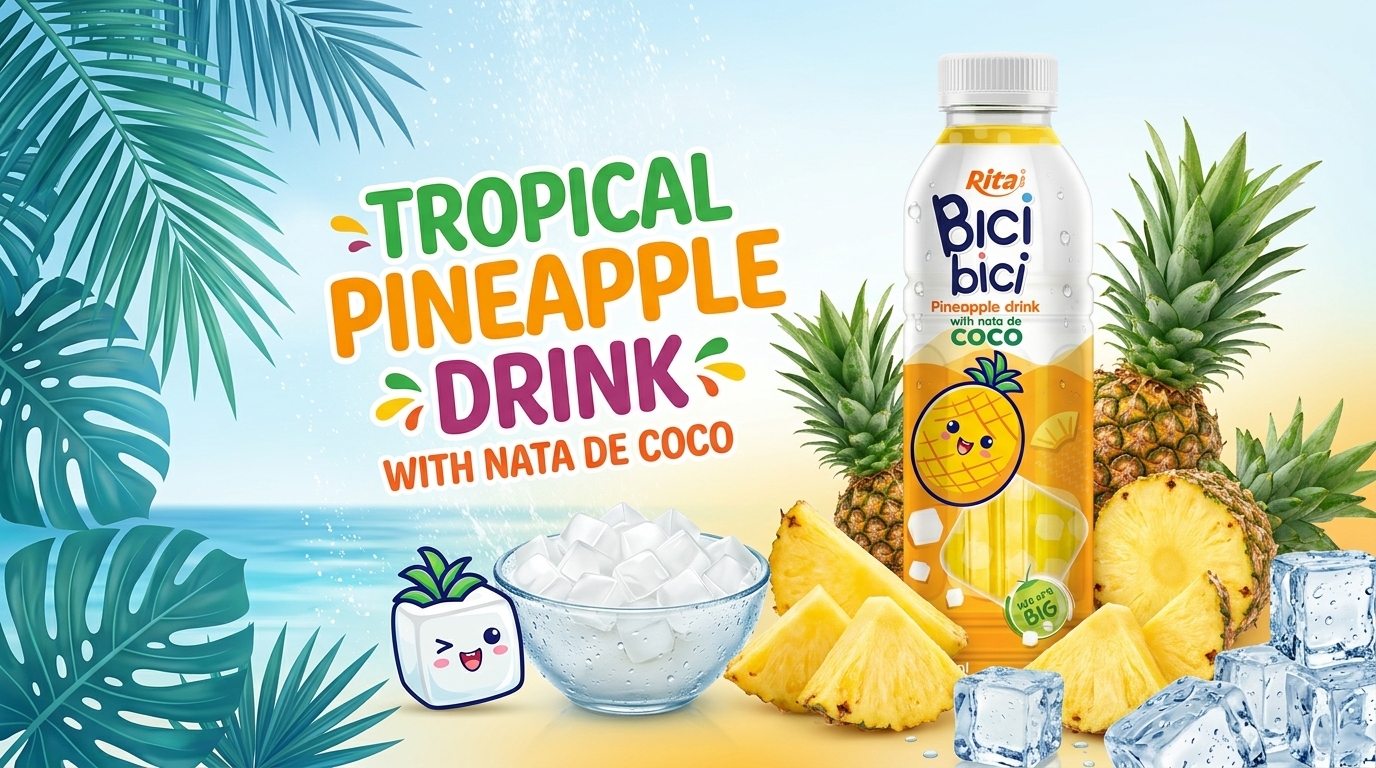
From tropical farms to global shelves, pineapple juice with nata de coco is capturing attention like never before. Blending refreshing taste with evolving consumer demand, this drink is quickly becoming a standout in modern beverage trends.
Key Takeaways
- The pineapple juice drink with nata de coco represents a key trend towards texture and tropical flavors in the RTD market.
- Flexible manufacturing terms, such as low MOQ and OEM options, are crucial for businesses adapting to fast-changing consumer preferences.
- Strategic packaging, like the 500ml PET bottle, balances convenience, shelf appeal, and extended shelf life for efficient distribution.
- Vietnam has emerged as a competitive sourcing hub for export-quality beverages, offering reliable supply chains and production scalability.
- Understanding HORECA and retail channel demands is essential for successful import and distribution of innovative beverage products.
The Evolving Landscape of Ready-to-Drink Beverages
The global beverage industry is witnessing a significant shift. Consumers are increasingly seeking products that offer not just refreshment but a unique sensory experience.
This trend is particularly evident in the juice and functional drink segments. Brands and distributors are constantly scouting for innovations that align with modern consumption patterns.
One notable development is the growing popularity of texture-enhanced drinks. Incorporating elements like chewy toppings adds a new dimension to the traditional liquid beverage.
This creates an engaging experience that resonates with a broad demographic. From retail shelves to hotel minibars, these products are finding diverse applications.
Driving Forces Behind the Textured Beverage Trend
Market analysis points to a consumer desire for experiential consumption. The act of drinking is no longer purely about hydration.
It has become a moment of enjoyment and discovery. This is where products combining liquid and solid elements gain traction.
Nata de coco, a chewy cellulose gel from coconut water, provides a distinct mouthfeel. When paired with a tropical base like pineapple juice, it creates a familiar yet novel profile.
This combination taps into the enduring appeal of tropical flavors. Pineapple is universally recognized for its bright, sweet-tart notes.
For importers and distributors, such products offer a point of differentiation. They stand out in a crowded market of single-texture drinks.
The B2B Framework: Sourcing and Manufacturing Flexibility
For businesses looking to capitalize on this trend, partnership models are critical. The ability to work with manufacturers on flexible terms can dictate market success.
Key considerations include Minimum Order Quantity (MOQ) and private label options. A flexible MOQ allows smaller distributors or new market entrants to test products without massive inventory risk.
Furthermore, OEM beverage manufacturing services empower brands. They can launch their own label pineapple juice drink with nata de coco tailored to their specific market.
This is a powerful strategy for retailers, café chains, or food service distributors. It builds brand equity while offering a unique product.
Supply chain reliability is another cornerstone. Consistent quality and on-time delivery are non-negotiable for maintaining shelf presence.
Manufacturers with substantial capacity, such as 600 containers per month, provide security for large-scale contracts. This is vital for national distributors or multinational importers.
Packaging as a Strategic Asset in Distribution
The choice of packaging directly impacts logistics, merchandising, and consumer convenience. The 16.9 Fl Oz (500ml) PET bottle is a strategic format for several reasons.
Firstly, PET is lightweight and shatter-resistant. This reduces shipping costs and breakage risks during long-distance export.
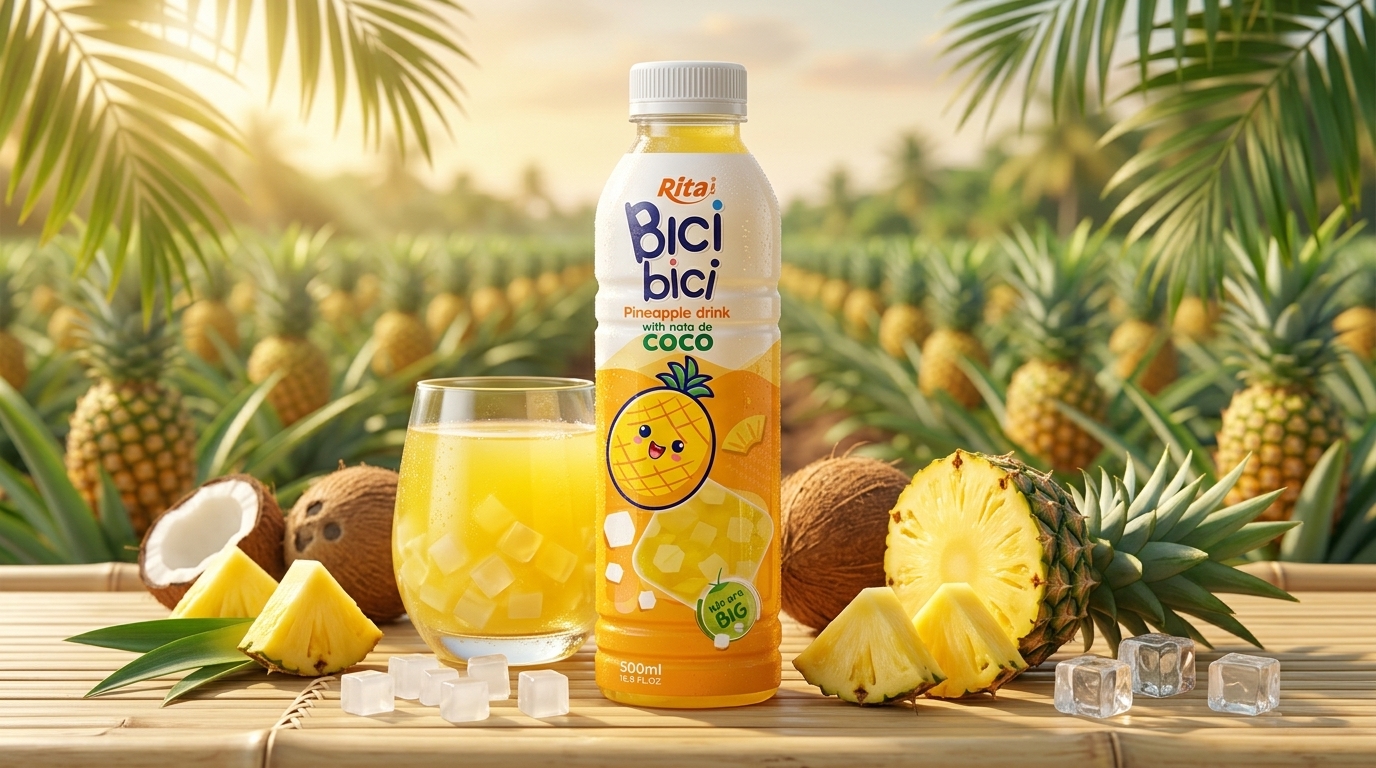
Secondly, the transparent bottle effectively showcases the product's visual appeal. The golden pineapple juice and suspended nata de coco pieces are visible to the consumer.
This acts as a silent salesperson on the shelf. An 18-month shelf life, supported by robust packaging, is a major advantage for inventory management.
It allows for extended distribution cycles and reduces waste due to spoilage. This is a key factor for fruit juice products targeting international markets.
Applications Across HORECA and Retail Channels
The versatility of a product like this opens multiple revenue streams. In the Hotel, Restaurant, and Café (HORECA) sector, it serves as a premium non-alcoholic option.
It can be offered as a standalone drink in minibars or as a base for mocktails in restaurant beverage programs. The textural element adds a premium touch that justifies a higher price point.
In retail, it competes in the juice aisle but also attracts attention from shoppers looking for novel snacks or healthier alternatives to carbonated soft drinks. Strategic placement is key.
Distributors should consider cross-merchandising opportunities. For instance, placing it near Asian food sections or in health-conscious stores.
Export Dynamics: Vietnam as a Beverage Sourcing Powerhouse
Vietnam's agricultural strength and manufacturing prowess have positioned it as a leading exporter of beverage products. The country offers a compelling combination of quality raw materials and cost-effective production.
Ports like Ho Chi Minh provide efficient logistics gateways to major global markets. For European or North American importers, managing lead times is crucial.
A reliable delivery window of 20-25 days after order confirmation allows for precise supply chain planning. This predictability is valued in the fast-moving consumer goods sector.
Payment terms such as L/C and T/T offer financial flexibility and security for both buyers and suppliers. This facilitates smoother international transactions.
The pineapple juice drink with nata de coco exemplifies the type of value-added product that Vietnamese manufacturers are increasingly excelling at. It moves beyond commodity exports into branded, innovative categories.
Future Outlook and Strategic Considerations
The trajectory for texture-inclusive beverages appears positive. As consumers continue to seek novelty and experience, similar product developments are likely to follow.
For businesses, the strategy should involve continuous market scanning. Identifying emerging flavor combinations or functional ingredients will be key.
Building a relationship with a capable manufacturing partner is perhaps the most critical step. A partner that offers R&D support, consistent quality control, and scalable production is an invaluable asset.
In conclusion, the success of such products in the market is not accidental. It is a confluence of understanding consumer trends, leveraging flexible manufacturing, and executing a solid distribution strategy.
Products like the Bici Bici Pineapple Juice Drink serve as a relevant case study in how to successfully bring a trending concept to a global marketplace.
Frequently Asked Questions
What is the typical Minimum Order Quantity (MOQ) for a product like this?
MOQs can vary significantly based on the manufacturer and packaging specifics. Many competitive suppliers in Vietnam, understanding the need for market testing, offer flexible or relatively low MOQs. This allows distributors and brand owners to initiate orders without committing to prohibitively large volumes upfront. It's always advisable to discuss your specific needs directly with the manufacturer to find a suitable arrangement.
How does the shelf life of 18 months impact import and distribution logistics?
An 18-month shelf life is a considerable advantage for imported beverages. It provides a generous window for shipping (including potential sea freight delays), customs clearance, warehousing, and distribution through various retail channels. This extended stability reduces the risk of product spoilage before sale, minimizes inventory pressure, and allows for more strategic, large-scale purchasing and promotional planning.
Are private label or OEM options available for such juice drinks?
Yes, many Vietnamese beverage manufacturers specialize in OEM (Original Equipment Manufacturer) and private label services. This means they can produce the pineapple juice drink with nata de coco according to your specifications, including custom label design, branding, and even slight formula adjustments. This is a popular route for retailers, wholesalers, and established brands looking to expand their portfolio without investing in production facilities.