The global beverage industry continues to evolve, with consumers increasingly seeking novel sensory experiences that combine familiar flavors with interactive textures. Among the most dynamic segments is the bubble tea and popping boba category, which has expanded far beyond its Asian origins to capture mainstream attention in markets like the United States.
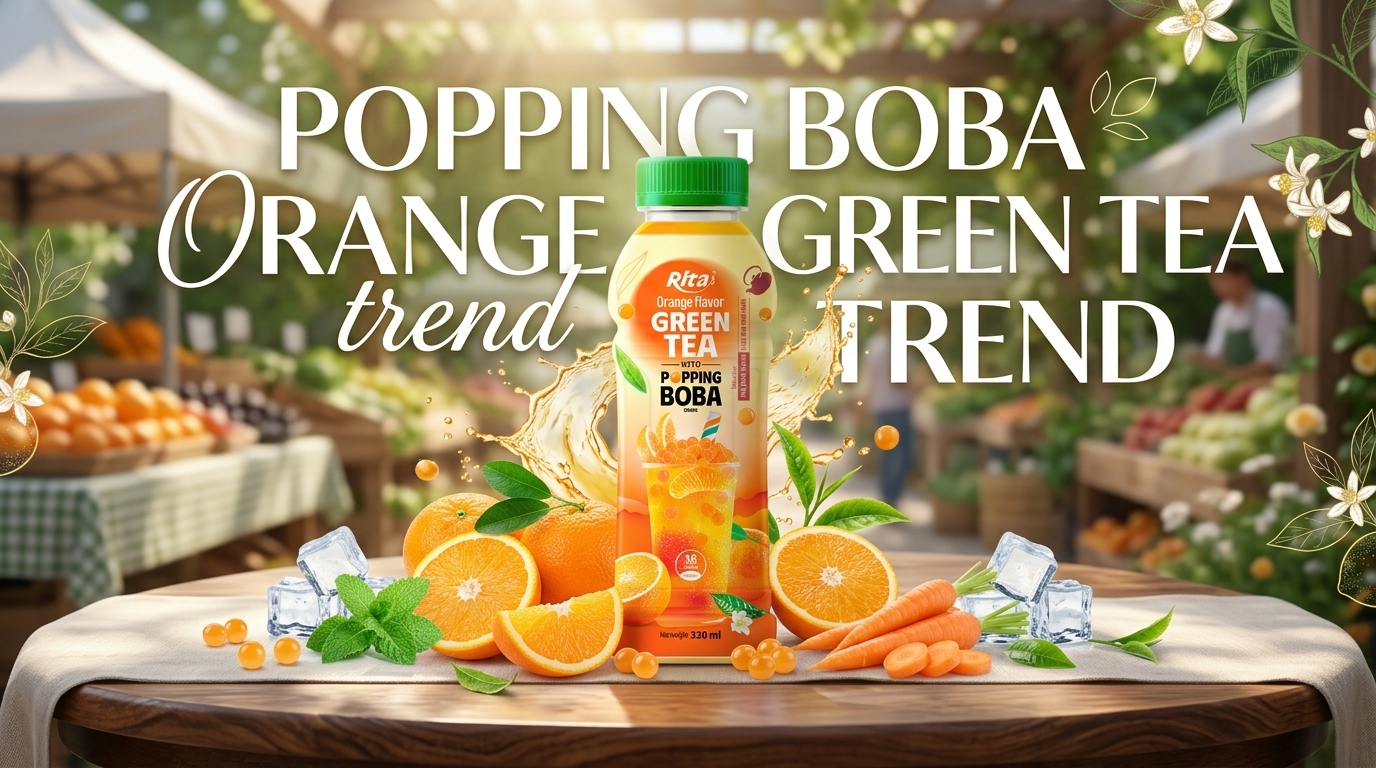 POPPING BOBA ORANGE GREEN TEA TRENDImages are for illustrative purposes only
One product exemplifying this trend is the popping boba green tea with orange flavor, a ready-to-drink (RTD) beverage that merges the mild bitterness of green tea with the citrusy brightness of orange, enhanced by the playful burst of juice-filled boba pearls. For importers, distributors, and F&B businesses looking to capitalize on this growing demand, understanding the market dynamics and supply chain opportunities is essential.
Key Takeaways
- The US market for popping boba beverages is expanding rapidly, driven by Gen Z and millennial demand for novel, textural drinks.
- Popping boba green tea with orange flavor offers a unique flavor profile that aligns with current consumer preferences for citrus and tea combinations.
- Vietnam-based manufacturers like RITA provide flexible OEM/ODM solutions, making it easier for brands to enter this segment with customized products.
- PET bottle packaging and an 18-month shelf life make this product suitable for retail, foodservice, and export channels.
- Understanding US FDA labeling requirements and import regulations is critical for successful market entry.
The Rise of Popping Boba in the US Beverage Landscape
Over the past decade, bubble tea has transitioned from a niche offering in Asian neighborhoods to a mainstream beverage choice across the United States. According to industry reports, the US bubble tea market was valued at over $2.4 billion in 2023 and is projected to grow at a CAGR of more than 7% through 2030.
Popping boba, in particular, has gained traction due to its unique texture—a thin gel membrane that bursts with fruit juice when bitten. This interactive element appeals to consumers looking for Instagram-worthy drinks and memorable taste experiences. The addition of green tea provides a familiar, slightly earthy base that balances the sweetness of the orange-flavored boba and syrup.
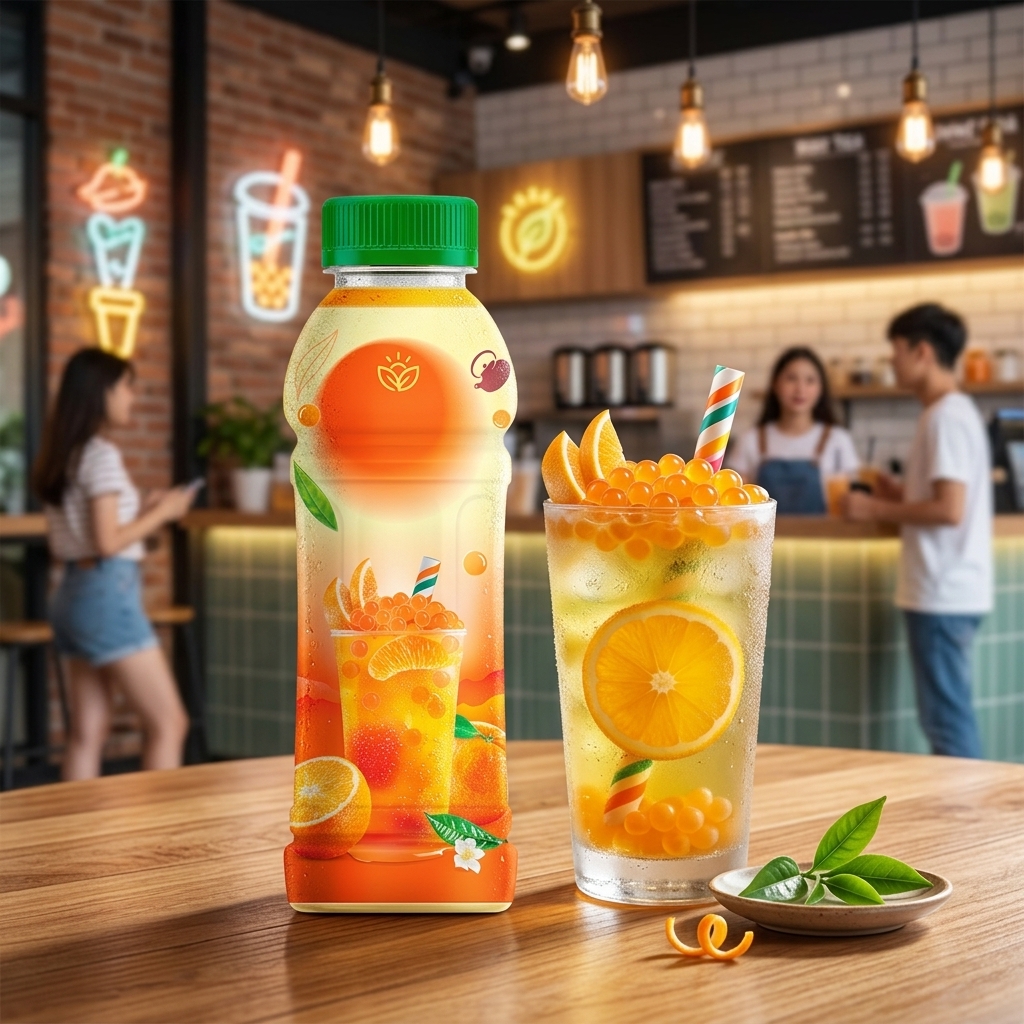 The Rise of Popping Boba in the US Beverage LandscapeImages are for illustrative purposes only
Why Orange Flavor Matters: Citrus Trends in the US
Orange remains one of the most popular fruit flavors in the US beverage market, second only to lemon in citrus categories. In 2024, citrus flavors accounted for nearly 18% of all new RTD tea launches in North America, according to Mintel.
The combination of green tea with orange flavor is particularly appealing because it offers a refreshing, non-dairy alternative to creamy bubble tea drinks. This aligns with the broader health-conscious shift toward lighter, plant-based beverages. While no health claims can be made, the flavor profile naturally suggests a crisp, clean taste that consumers associate with energy and refreshment.
For importers, the popping boba green tea with orange flavor represents a product that can capture multiple consumer segments: bubble tea enthusiasts, citrus lovers, and RTD tea drinkers seeking variety.
Opportunities for Importers and Distributors
The US market presents several entry points for popping boba beverages. Retail channels include Asian grocery chains, specialty beverage stores, and mainstream supermarkets like Walmart and Target, which have expanded their international beverage sections. Foodservice channels—such as bubble tea shops, coffee chains, and college campus cafeterias—also offer significant volume potential.
One of the key advantages of sourcing from Vietnam is the cost-effectiveness and scalability of production. Manufacturers like RITA offer flexible MOQ, which allows smaller distributors to test the market without committing to large container orders. The company’s supply ability of 600 twenty-foot containers per month ensures that even growing demand can be met consistently.
Moreover, the 330 ml PET bottle format is ideal for single-serve retail and vending machine placement. The 18-month shelf life provides ample time for logistics, warehousing, and sell-through, reducing the risk of spoilage for importers.
Product Specifications That Matter for US Importers
When evaluating a popping boba green tea with orange flavor for the US market, several technical specifications are critical:
- Packaging: PET bottles are lightweight, shatter-resistant, and recyclable, meeting US sustainability expectations.
- Shelf Life: 18 months allows for extended distribution cycles.
- MOQ: Flexible minimum order quantities enable trial runs for new brands.
- Payment Terms: L/C and T/T are standard, providing security for both parties.
- Delivery Time: 20–25 days after order confirmation supports just-in-time inventory management.
Additionally, the availability of free samples allows importers to conduct taste tests with focus groups or retail buyers before committing to a full order. This de-risks the product launch process significantly.
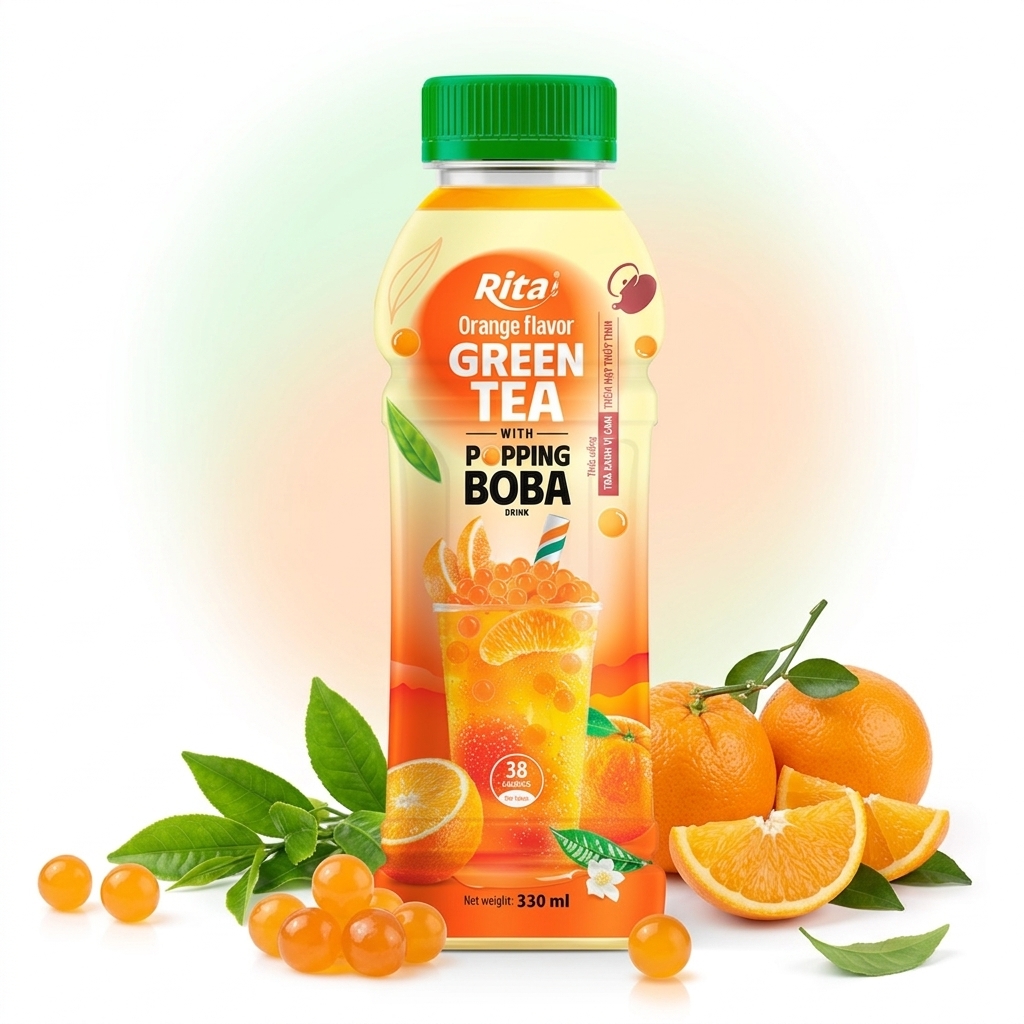 Why Orange Flavor Matters: Citrus Trends in the USImages are for illustrative purposes only
Regulatory Compliance and Certification Requirements
Entering the US beverage market requires strict adherence to FDA regulations. All ingredients must be Generally Recognized as Safe (GRAS), and the product must comply with labeling requirements under the Food Allergen Labeling and Consumer Protection Act (FALCPA).
RITA’s certifications—including ISO, HACCP, HALAL, and BRC—provide a strong foundation for compliance. However, importers should verify that the specific production facility holds FSSC 22000 certification, which is widely recognized by US retailers. The company’s commitment to no harmful chemicals and strict quality control systems further supports market entry.
Labeling considerations include declaring the presence of popping boba (which may contain fruit juice concentrate, sugar, and gelling agents) and listing green tea as a primary ingredient. The orange flavor can be described as natural or artificial, depending on the formulation chosen.
Leveraging OEM and ODM Services for Brand Differentiation
For US-based beverage brands looking to launch their own line of popping boba drinks, partnering with a Vietnamese manufacturer offers significant advantages. OEM beverage manufacturing allows brands to customize flavor intensity, sweetness level, and boba-to-liquid ratio without investing in production infrastructure.
RITA’s ODM services go a step further, assisting with brand development, packaging design, and concept formulation. This is particularly valuable for startups and mid-sized companies that lack in-house R&D capabilities. By leveraging ODM beverage solutions, brands can bring a market-ready product to shelf in a fraction of the time it would take to build a factory from scratch.
The popping boba green tea with orange flavor can be adapted to suit different retail channels. For example, a higher boba-to-liquid ratio may appeal to bubble tea shops, while a smoother, less pulpy version might perform better in supermarkets where consumers expect a traditional RTD tea experience.
Southeast Asia as a Sourcing Hub for Popping Boba
Vietnam has emerged as a leading exporter of beverage products, particularly those involving tropical and citrus flavors. The country’s proximity to raw materials—such as tea leaves, fruit concentrates, and tapioca pearls—gives manufacturers a cost advantage over competitors in China or Taiwan.
RITA’s factory, spanning over 30,000 m² with more than 50 production lines, is capable of producing large volumes of popping boba beverages at competitive FOB prices. The company’s export experience to over 200 countries, including the United States, means they are familiar with US documentation requirements, customs procedures, and shipping logistics via Ho Chi Minh Port.
For distributors, this translates into shorter lead times and lower freight costs compared to sourcing from farther markets. The 20–25 day delivery window ensures that seasonal promotions or retail calendar deadlines can be met reliably.
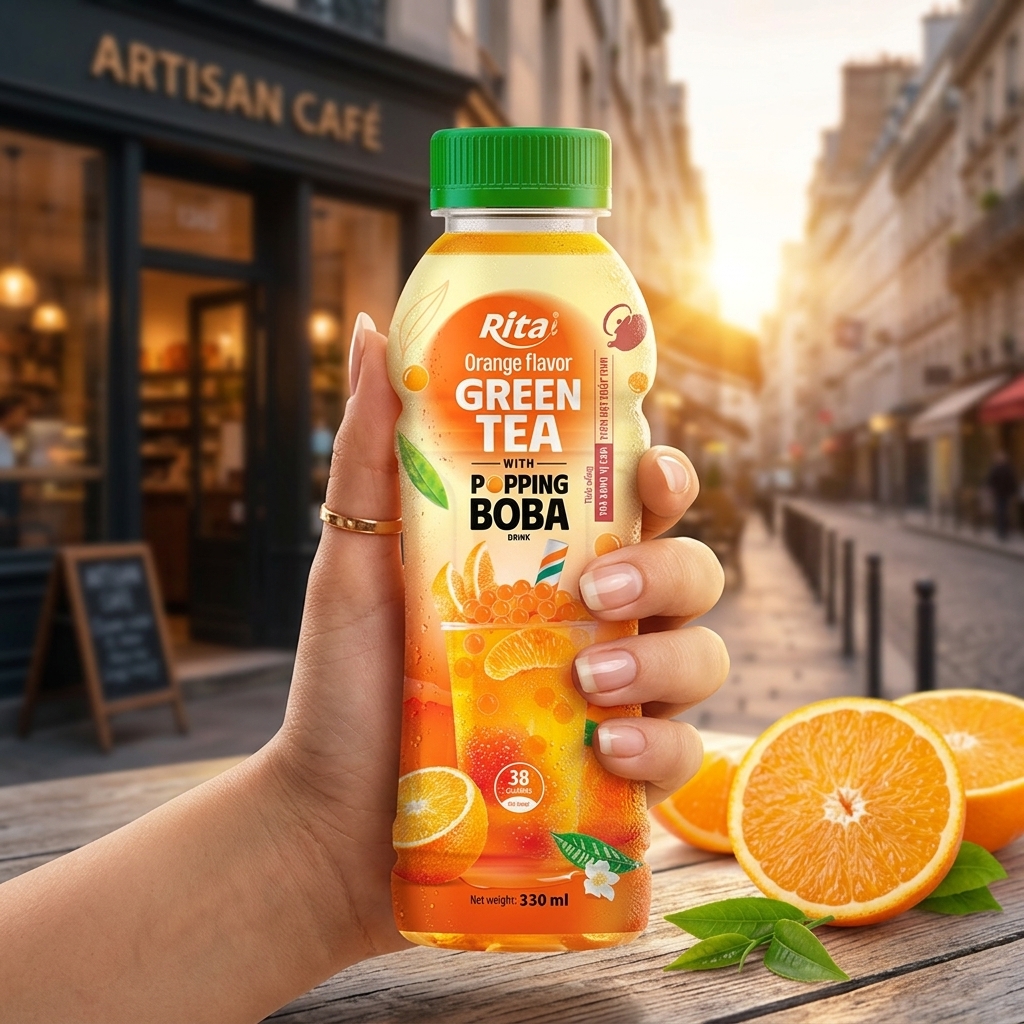 Opportunities for Importers and DistributorsImages are for illustrative purposes only
Consumer Trends Driving Demand for Popping Boba Green Tea
Several macro trends are fueling the growth of popping boba beverages in the US:
- Experience-driven consumption: Millennials and Gen Z prioritize drinks that offer a sensory experience, such as popping boba.
- Flavor innovation: Citrus and tea combinations are on the rise, with orange and green tea being a classic pairing.
- Convenience: RTD formats eliminate the need for preparation, appealing to on-the-go consumers.
- Global flavor exploration: US consumers are increasingly open to trying international beverage styles, including bubble tea.
These trends create a favorable environment for the popping boba green tea with orange flavor to gain traction. The product’s bright, visually appealing packaging and the interactive popping sensation make it well-suited for social media marketing, which is a critical driver of beverage sales among younger demographics.
Strategic Recommendations for US Market Entry
For importers and distributors considering this product, a phased approach is recommended:
- Request free samples for sensory evaluation and consumer testing.
- Partner with a co-packer or distributor that has existing relationships with Asian grocery chains and specialty retailers.
- Develop a marketing strategy that highlights the popping boba experience and the refreshing orange-green tea flavor.
- Ensure all labeling and regulatory documentation is in order before the first shipment.
- Start with a flexible MOQ to test the market, then scale up based on sell-through rates.
By aligning with a reliable manufacturer like RITA, businesses can minimize upfront risk while positioning themselves in a high-growth category. The company’s track record in exporting to the US and its comprehensive certification suite provide the confidence needed for long-term partnership.
Frequently Asked Questions
What is the shelf life of popping boba green tea with orange flavor?
The product has a shelf life of 18 months when stored properly in a cool, dry place away from direct sunlight.
Can I customize the sweetness or boba content for my brand?
Yes, through OEM or ODM services, you can adjust the sweetness level, boba-to-liquid ratio, and even the orange flavor intensity to match your target market.
What certifications does the manufacturer hold for US export?
The manufacturer holds ISO, HACCP, HALAL, KOSHER, BRC, FSSC 22000, and other certifications. Importers should verify that the specific product meets FDA requirements.
What is the minimum order quantity for this product?
The MOQ is flexible, allowing importers to start with smaller quantities for market testing before scaling up.
How long does delivery take from Vietnam to the US?
Delivery typically takes 20–25 days after order confirmation, depending on shipping method and port of destination.