The global beverage industry faces an increasingly intricate web of regulatory requirements, from sweeping sugar reduction mandates to rigorous certification standards for international market entry.
Electrolyte water drinks, which occupy a growing segment at the intersection of hydration trends and consumer demand for clean-label formulations, are subject to particularly diverse regulatory expectations as governments worldwide establish new frameworks for labeling, formulation, and trade compliance. In this shifting landscape, manufacturers that invest early in comprehensive certification portfolios and regulatory-ready formulations gain significant competitive advantages. RITA's Yuzu Peach Electrolyte Water Drink, a 325ml low sugar hydration beverage, demonstrates how strategic compliance planning can unlock access to markets spanning the Americas, Europe, Asia, the Middle East, Africa, and Oceania.

Key Takeaways
- Global regulatory frameworks increasingly mandate sugar reduction, transparent labeling, and rigorous quality certification for beverage products entering international markets.
- A multi-certification strategy encompassing BRC, FSSC 22000, Halal, Kosher, ISO, GMP, HACCP, and SMETA is essential for brands targeting distribution across 200+ countries.
- The electrolyte water drink category is experiencing robust growth as consumers seek low-sugar, clean-label hydration options with transparent ingredient profiles.
- RITA's OEM/ODM manufacturing infrastructure and comprehensive certifications position it as a strategic partner for brands requiring export-ready, regulatory-compliant beverage solutions.
- Industry-wide reformulation driven by sugar taxes and labeling requirements is creating new opportunities for pre-certified products that meet evolving standards.
Regulatory Challenges Facing Electrolyte Water Drink Manufacturers
The regulatory landscape for global beverage products has never been more complex — or more consequential for manufacturers seeking international market access.
From sweeping sugar taxes in Southeast Asia to stringent labeling directives in the European Union, governments across every major trading region are tightening the rules that govern how beverages are formulated, packaged, and marketed. The recent actions of major beverage corporations underscore these pressures. Sazerac, the American spirits company, was ordered by regulators to honor existing Cognac contracts, illustrating how beverage regulatory compliance extends well beyond product formulation into distribution agreements and contractual obligations. Royal Unibrew's decision to close its Danish brewery operation reflects the kind of market rationalization that results when rising compliance costs intersect with shifting competitive dynamics.
For manufacturers of low sugar hydration beverage products and electrolyte water drinks, these industry dynamics carry direct implications. Products must satisfy ingredient and formulation standards while meeting labeling requirements that vary dramatically from one jurisdiction to another. The ability to maintain a single formulation that satisfies multiple regulatory frameworks — without costly market-specific modifications — represents a significant operational and commercial advantage in a sector where margins are increasingly defined by compliance efficiency.
One of the most consequential regulatory trends affecting the global beverage sector is the accelerating push toward sugar reduction. The European Union has established voluntary sugar reduction targets for various food and beverage categories, while jurisdictions across Southeast Asia and the Middle East have implemented sugar tax regimes with varying thresholds and enforcement mechanisms. In some markets, beverages exceeding defined sugar content per volume face significant excise taxes that fundamentally alter price competitiveness at retail. For the electrolyte water drink segment, these mandates demand formulations that deliver appealing taste profiles without relying on elevated sugar levels — a challenge that requires both creative R&D and meticulous regulatory awareness.
RITA's electrolyte water drink is designed with this regulatory trajectory in mind. The product avoids artificial colors and flavors while delivering naturally derived electrolytes in a low-sugar formulation that aligns with the direction regulators are pushing the industry. This proactive approach means the product can enter markets with strict sugar content limits without requiring the costly reformulation cycles that derail many brands' international expansion timelines.
Certification bodies also pay close attention to formulation consistency. Auditors evaluating products for standards such as FSSC 22000 and BRC assess not only the final product but also the processes used to achieve specific nutritional profiles. Demonstrating consistent low-sugar formulation across production runs is a key factor in maintaining beverage quality certification status and passing the periodic audits that govern ongoing compliance.
Labeling Requirements and Consumer Transparency
Regulatory requirements around product labeling have become substantially more demanding across international markets. Consumers and regulators alike are demanding greater transparency regarding ingredients, nutritional content, and the claims manufacturers make about their products. The distinction between what constitutes a standard refreshment and a product making hydration-related positioning claims carries significant regulatory implications in many jurisdictions.
For the electrolyte water drink category, labeling compliance requires careful attention to how electrolyte content is described, what claims can be made about a product's positioning within a balanced diet, and how allergen and ingredient information is presented. These requirements differ markedly between markets — what constitutes permissible labeling in one region may require significant modification for another, and penalties for non-compliance can include product recalls, market withdrawal, and reputational damage.
RITA leverages its experience distributing products to over 200 countries and territories to ensure product labels meet the specific requirements of each target market while maintaining visual consistency for private label beverage partners. This systematic approach to beverage regulatory compliance — built over two decades of international trade — represents a capability that many brands underestimate when planning their first global product launches.

International Certifications as Gateways to Global Markets
For beverage manufacturers, international beverage certifications are not optional luxuries — they are the price of admission to the retail channels and distribution networks that drive volume in major markets.
Without the appropriate certification portfolio, even high-quality products face insurmountable barriers to shelf placement with major retailers. For brands in the electrolyte water drink and low sugar hydration beverage space, the challenge is compounded by the need to satisfy both general food safety requirements and category-specific standards that apply to products positioned as enhanced hydration solutions. The regulatory expectations in this segment are evolving rapidly, and manufacturers without current certifications risk being locked out of emerging market opportunities.
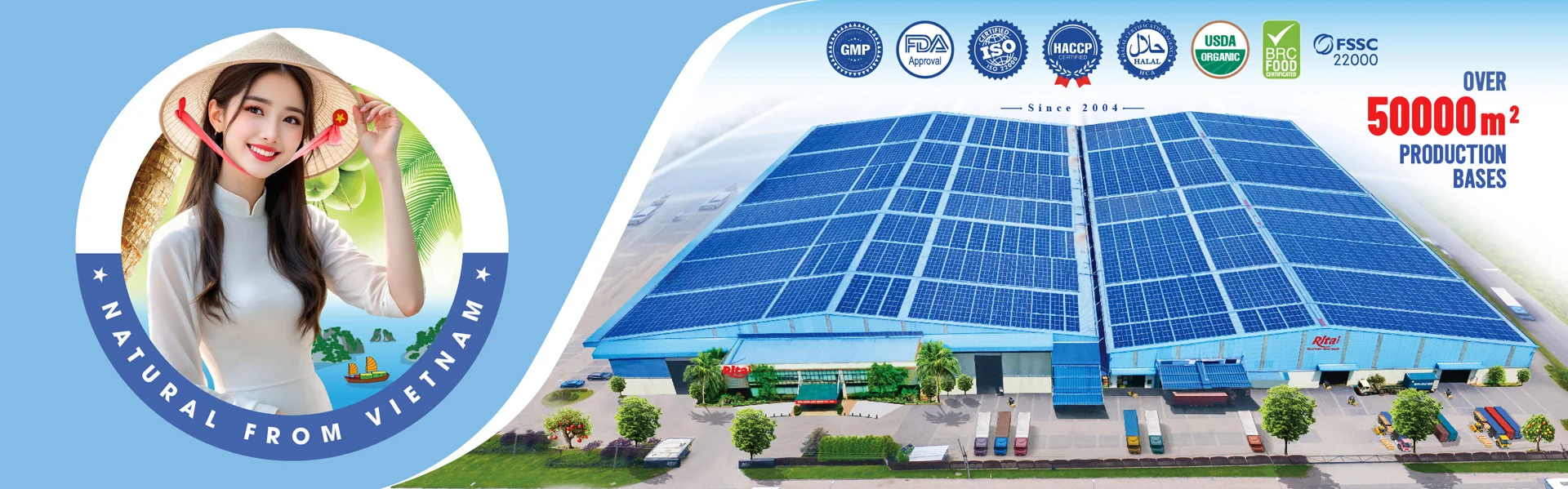
RITA's certification portfolio illustrates what a comprehensive multi-standard approach looks like in practice. The company holds BRC (British Retail Consortium) certification, which is widely required by major retailers in the United Kingdom and Europe. FSSC 22000 certification addresses food safety management systems and is recognized by the Global Food Safety Initiative (GFSI), opening doors to retail chains that require GFSI-benchmarked standards as a condition of supplier qualification. Halal certifications from both JAKIM (Malaysia) and HCA-GCC (Gulf Cooperation Council) ensure access to Muslim-majority markets across the Middle East and Southeast Asia, while Kosher certification addresses requirements for observant consumers in specific market segments. ISO, GMP, and HACCP certifications demonstrate adherence to international quality management and food safety principles, and SMETA (Sedex Members Ethical Trade Audit) certification addresses ethical trading and labor standards — an increasingly important procurement criterion for brands with strong sustainability commitments.
The combined effect of this certification portfolio is substantial. Rather than pursuing certifications on a market-by-market basis — a process that can take months or even years and require significant financial investment — brands partnering with a fully certified OEM beverage manufacturer can leverage existing credentials to accelerate market entry timelines considerably, reducing both time-to-market and upfront compliance costs.
Certification Requirements Across Market Regions
The specific certifications required for global beverage market access vary significantly by region, creating a complex compliance matrix that manufacturers must navigate strategically. The following overview highlights key requirements across major market regions where electrolyte water drinks and similar hydration products are gaining traction.
- Europe and the Americas: BRC, FSSC 22000, and ISO certifications are commonly required by major retail chains. Nutritional labeling must comply with regional standards, and sugar content claims are subject to specific regulatory definitions that vary between the EU and North American markets.
- Middle East and North Africa: Halal certification is a fundamental requirement for market entry. Products must also comply with regional labeling standards, which may include Arabic-language requirements and specific ingredient disclosure rules enforced by national food safety authorities.
- Asia-Pacific: Requirements vary widely by country, but GFSI-recognized certifications are increasingly expected by premium retail channels. Japan, South Korea, and Australia maintain particularly rigorous food safety and labeling requirements that exceed baseline international standards.
- Africa and Oceania: While certification requirements may be less standardized in some markets, major retail chains in these regions increasingly reference international standards as benchmarks for supplier qualification, making certifications a de facto requirement for premium distribution channels.
Manufacturers holding certifications spanning multiple regulatory frameworks are uniquely positioned to serve as single-source partners for brands targeting diverse global markets, eliminating the need to qualify multiple production facilities for different regions and streamlining the entire supply chain management process.
Product Compliance Profile: Yuzu Peach Electrolyte Water
RITA's Yuzu Peach Electrolyte Water Drink demonstrates how a single product can be engineered to satisfy multiple regulatory frameworks simultaneously.
The 325ml aluminum can packaging, low-sugar formulation, and clean-label ingredient list collectively address the key compliance concerns that arise across different market jurisdictions. The product's yuzu and peach flavor combination represents a strategic choice with regulatory implications: both flavors are widely recognized and accepted across global markets, avoiding the regulatory complexities that can arise with novel or region-specific ingredients that may trigger additional safety evaluations or allergen classification requirements in certain jurisdictions.
The balanced taste profile — where zesty citrus notes complement gentle fruit sweetness — appeals to diverse consumer palates without requiring market-specific flavor adjustments that could complicate multi-market distribution. The electrolyte content, described as naturally derived, positions the product within the electrolyte-enhanced hydration category while maintaining a formulation approach that regulators in multiple jurisdictions have viewed favorably. This careful positioning allows the product to benefit from growing consumer interest in electrolyte-enhanced beverages without triggering the more stringent regulatory scrutiny that applies to products making specific health-related claims.
The absence of artificial colors and flavors further supports the product's clean-label positioning, aligning with regulatory trends toward ingredient transparency in multiple markets. For brands considering private label beverage or OEM partnerships for electrolyte water drinks, this formulation approach offers a valuable template: products designed from the outset with multi-market beverage regulatory compliance in mind are significantly easier and less costly to distribute internationally than products requiring market-specific reformulation after initial development.
Manufacturing Excellence and Export Infrastructure
Regulatory compliance extends beyond formulations and certifications to encompass the entire manufacturing and export chain — a reality that many brands discover only after encountering delays at customs or facing audit deficiencies.
RITA's manufacturing capabilities illustrate the infrastructure required for large-scale, regulation-compliant beverage production. As a leading OEM beverage manufacturer and global exporter, the company operates over 50 automated production lines with monthly export capacity exceeding 1,200 containers. The production facility supports multiple packaging formats — including aluminum cans, glass bottles, PET bottles, and PP containers — allowing the manufacturing flexibility essential for serving diverse market requirements across different regions and retail channel formats.
The company's research and development capabilities play a particularly important role in beverage regulatory compliance. Developing formulations that meet the nutritional and ingredient standards of multiple markets simultaneously requires deep technical expertise and ongoing investment in research. RITA's R&D team works to ensure that products like the Yuzu Peach Electrolyte Water Drink satisfy the regulatory requirements of target markets while maintaining consistent taste profiles and product experiences that consumers and trade partners expect across every distribution channel.
With a delivery timeline of 20-25 days after order confirmation and flexible minimum order quantities, RITA's export infrastructure is designed to support brands at various stages of global beverage market access development. For companies entering the electrolyte water drink category for the first time, partnering with a manufacturing facility that has established global logistics capabilities and comprehensive compliance infrastructure can dramatically reduce the barriers to international distribution — turning what many brands perceive as a multi-year regulatory challenge into a streamlined commercial process.
Industry Regulatory Pressures Reshape Market Strategies
The broader beverage industry is undergoing regulatory-driven transformation that is reshaping competitive dynamics across every product category — and the implications for emerging segments like electrolyte water drinks are significant.
Biomel's recent launch of a new product line demonstrates how forward-thinking companies are responding to regulatory trends by innovating within categories that align with evolving consumer expectations and emerging regulatory frameworks. Products with transparent ingredient lists, clean-label formulations, and clear market positioning are better positioned to navigate the increasingly complex regulatory landscape that characterizes the modern beverage industry.
ThaiBev's significant restructuring, including organizational changes and management shifts, reflects the operational adjustments that large beverage companies must make when regulatory compliance costs increase. Whether through new sugar taxes, enhanced labeling requirements, or certification maintenance obligations, rising compliance demands force manufacturers to evaluate whether their operational structures remain efficient and competitive in an environment where regulatory overhead is a growing component of total cost.
For manufacturers and brands in the electrolyte water drink category, these industry dynamics reinforce a critical strategic insight: proactive beverage regulatory compliance is not merely a cost center but a genuine competitive advantage. Investing in comprehensive international beverage certifications, maintaining clean-label formulations, and building flexible manufacturing infrastructure positions companies to capitalize on market opportunities as they emerge — rather than scrambling to meet requirements after regulatory windows have already opened. As global regulatory frameworks continue to tighten and expand, the gap between compliance leaders and laggards will likely widen, making strategic investment in regulatory readiness an increasingly important determinant of long-term market success for electrolyte water drink manufacturers worldwide.
Frequently Asked Questions
What certifications does RITA hold for its beverage products?
RITA holds BRC, FSSC 22000, Halal JAKIM, Halal HCA-GCC, Kosher, ISO, GMP, HACCP, and SMETA certifications. This comprehensive portfolio enables the company to serve markets across the Americas, Europe, Asia, the Middle East, Africa, and Oceania, meeting the diverse certification requirements of retailers and distributors in over 200 countries and territories.
Low-sugar formulations align with regulatory trends in multiple markets, including regions that have implemented sugar taxes or voluntary sugar reduction targets. Products with lower sugar content face fewer regulatory barriers and are more readily adaptable to markets with strict sugar content limits, making them advantageous for brands pursuing broad international distribution.
What role do certifications play in private-label beverage partnerships?
For private-label manufacturers and brands seeking OEM or ODM partnerships, a manufacturing partner's existing certification portfolio significantly reduces the time and cost of market entry. Rather than pursuing certifications independently — a process that can take months or years — brands can leverage their partner's pre-certified infrastructure to accelerate distribution timelines and meet retail channel requirements more quickly.
How does RITA ensure regulatory compliance across different international markets?
RITA maintains systematic processes for adapting product labels and formulations to meet local regulatory requirements across its distribution network spanning over 200 countries. The company's research and development capabilities, combined with its comprehensive certification portfolio and experienced quality assurance team, enable consistent compliance across diverse regulatory environments while maintaining product quality and brand consistency for global trade partners.