The global beverage industry continues to evolve, with plant-based and ethnic drinks gaining significant traction among consumers. Among these, the horchata rice milk drink in aluminum cans has emerged as a notable trend, particularly in the United States. This traditional Latin American beverage, typically made from rice, vanilla, and cinnamon, is now being reimagined in convenient, shelf-stable formats that appeal to modern on-the-go lifestyles.
For beverage importers, distributors, and F&B businesses, understanding this trend is crucial for capitalizing on emerging market opportunities.
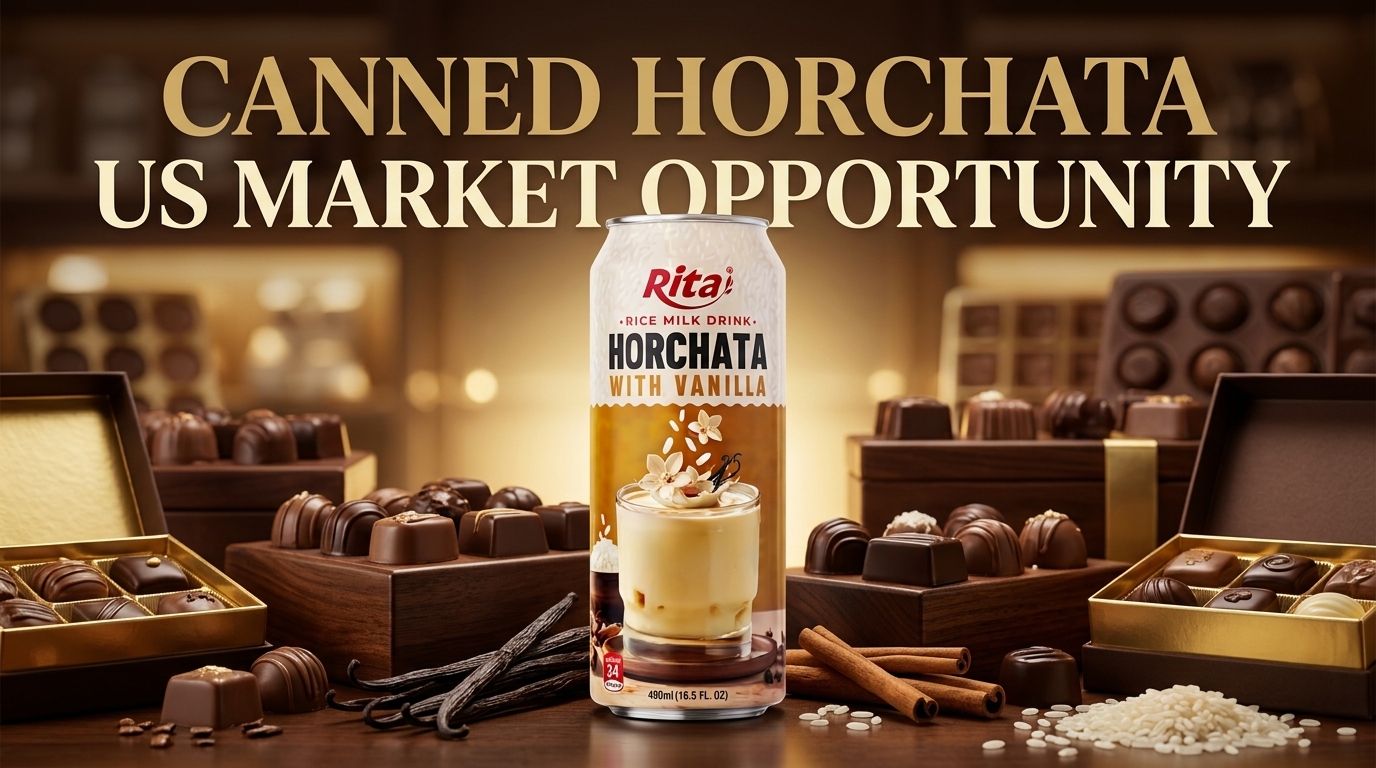
This article provides an in-depth analysis of the US market for canned horchata, exploring consumer trends, distribution channels, and the potential for private label and OEM partnerships. We will examine how products like the hot trending 16.5 fl oz cans rice milk drink horchata with vanilla are positioning themselves in a competitive landscape. The focus is on actionable insights for businesses looking to enter or expand within this dynamic segment.
Key Takeaways
- The US market for plant-based and ethnic beverages is expanding rapidly, creating a strong demand for authentic horchata products.
- Canned horchata offers significant advantages in terms of shelf stability, portability, and convenience, aligning with modern consumer preferences.
- Private label and OEM partnerships with experienced manufacturers like RITA provide a low-risk entry point for brands.
- The horchata rice milk drink in aluminum cans is well-suited for diverse distribution channels, including retail, food service, and vending.
- Understanding consumer demographics and flavor innovation is key to capturing market share in this growing category.
The Rise of Plant-Based and Ethnic Beverages in the US
The American beverage market is undergoing a significant transformation. Consumers are increasingly seeking out drinks that are plant-based, offer unique flavors, and connect them to cultural experiences. This shift is driven by a desire for variety, perceived wellness, and environmental consciousness. The traditional dairy milk segment has seen a steady decline, while plant-based alternatives like almond, oat, and rice milk have surged in popularity.
Within this broader plant-based trend, ethnic beverages are carving out a distinct niche. Horchata, a creamy, sweet rice-based drink flavored with vanilla and cinnamon, has long been a staple in Mexican and Latin American cuisine. Its popularity has now crossed over into mainstream American culture, appearing on menus at coffee shops, fast-casual restaurants, and even major retail chains. The challenge has been to offer this fresh, authentic taste in a packaged format that maintains quality and extends shelf life.
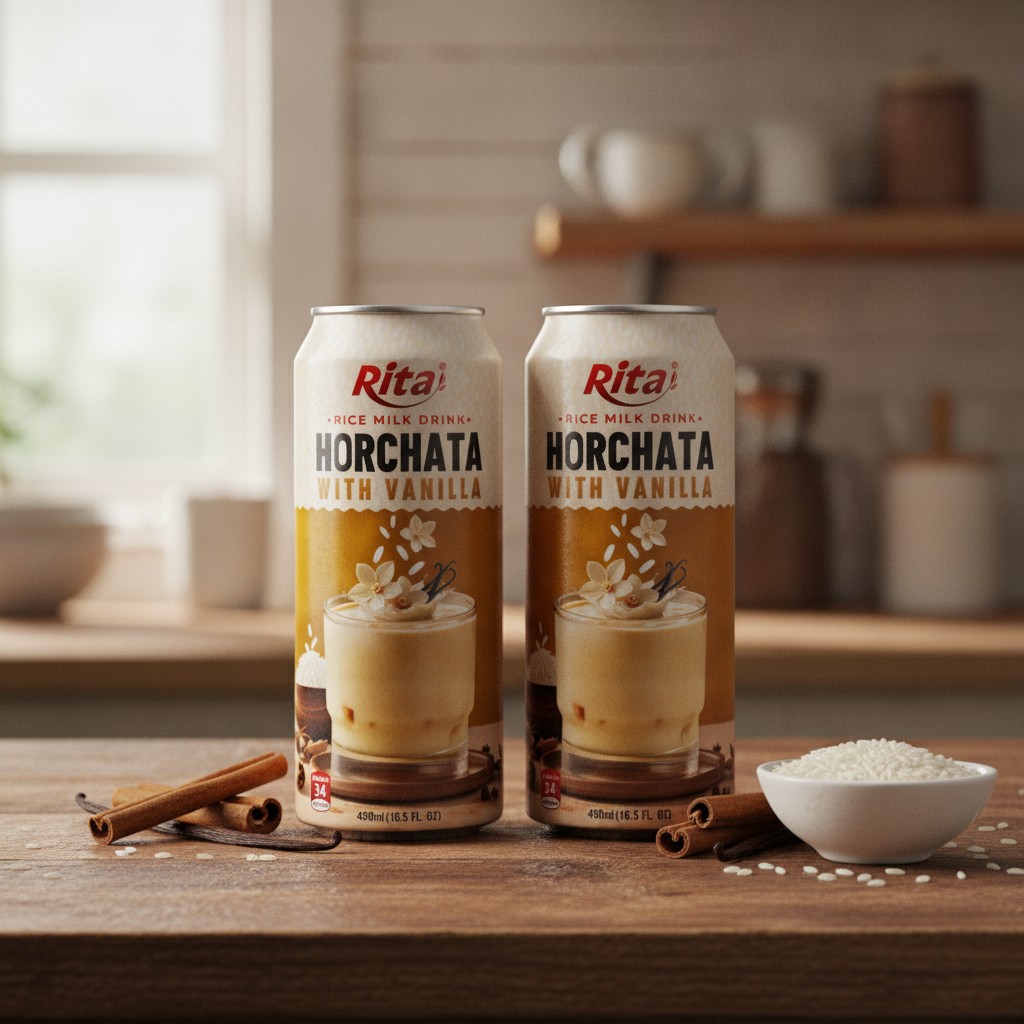
This is where the horchata rice milk drink in aluminum cans enters the picture. Cans provide an excellent barrier against light and oxygen, preserving the delicate flavors of vanilla and cinnamon. They are also lightweight, stackable, and infinitely recyclable, appealing to environmentally conscious consumers. For importers and distributors, canned products offer logistical advantages, including reduced breakage risk compared to glass and lower shipping costs due to weight.
Why Canned Horchata is a Strategic Product for Importers
For beverage importers looking to diversify their portfolio, canned horchata presents a compelling opportunity. The product is not just a novelty; it addresses several key market demands. First, it offers a ready-to-drink (RTD) format that is perfect for on-the-go consumption. Busy consumers, especially millennials and Gen Z, are looking for beverages that fit their active lifestyles without compromising on taste or authenticity.
Second, the aluminum can format is ideal for the growing food service and vending machine channels. Coffee shops can offer horchata as a standalone beverage or as a base for lattes and smoothies. Restaurants can serve it as a non-alcoholic option or use it in cocktails. Vending machines in offices, schools, and public spaces can stock it as a unique alternative to sodas and energy drinks. The versatility of the format expands the potential market reach significantly.
Third, from a supply chain perspective, canned horchata has a long shelf life of up to 24 months, as demonstrated by products like the hot trending 16.5 fl oz cans rice milk drink horchata with vanilla. This allows for efficient inventory management and reduces the risk of spoilage, which is a critical factor for importers managing cross-border logistics. The product's stability also means it can be shipped via standard container vessels without the need for specialized cold chain logistics, keeping costs competitive.
Consumer Trends Driving Demand for Horchata
Several overlapping consumer trends are fueling the demand for horchata in the US. The first is the continued growth of the Hispanic population, which has a natural affinity for the beverage. However, the appeal extends far beyond this demographic. Mainstream consumers are increasingly adventurous with their food and drink choices, seeking out authentic global flavors.
The second trend is the rise of "better-for-you" beverages. While horchata is sweet, it is naturally dairy-free and plant-based, which aligns with the preferences of lactose-intolerant consumers and those following vegan or flexitarian diets. The use of rice as a base also gives it a light, clean mouthfeel that many find appealing compared to heavier nut-based milks. The addition of vanilla provides a familiar and comforting flavor profile that bridges the gap between traditional and novel.
Third, the convenience economy is a powerful driver. Consumers are willing to pay a premium for products that save them time. A canned horchata that can be grabbed from a cooler or shelf and consumed immediately fits this need perfectly. It eliminates the need for preparation, mixing, or refrigeration (until opened), making it a convenient snack or meal accompaniment.
Market Opportunity for Private Label and OEM Horchata
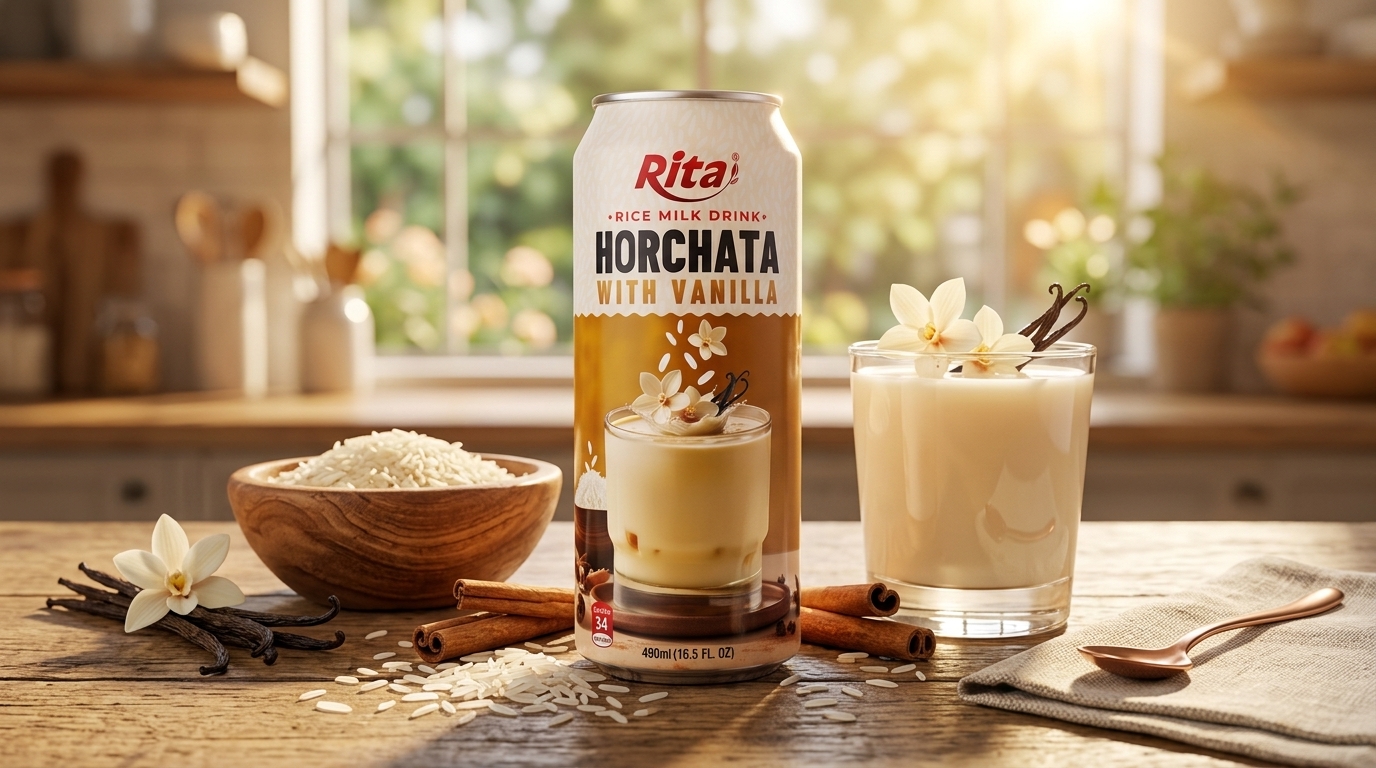
For businesses looking to enter the horchata market without the heavy investment in building a brand from scratch, private label and OEM (Original Equipment Manufacturing) partnerships offer an attractive route. A manufacturer like RITA, with its extensive experience in beverage production and global export, can produce a high-quality horchata rice milk drink in aluminum cans under a retailer's or distributor's own brand. This allows companies to leverage an existing supply chain and production expertise while focusing on marketing, distribution, and sales.
The flexibility of OEM services is particularly valuable. Importers can customize the product to meet local taste preferences. For instance, they can adjust the sweetness level, the intensity of vanilla and cinnamon, or even the viscosity of the drink. Packaging can also be tailored, with options ranging from 200ml to 500ml cans, or even custom sizes. This level of customization ensures that the final product resonates with the target audience.
RITA's capabilities are a prime example of what a reliable OEM partner can offer. With a supply ability of 300 twenty-foot containers per month and flexible MOQs, they can accommodate both small trial runs and large-scale commercial orders. Their adherence to international quality standards, including ISO, HACCP, and HALAL, provides importers with the confidence that the product will meet regulatory requirements in markets like the US and Europe. By partnering with such a manufacturer, businesses can significantly reduce time-to-market and operational risks.
Distribution Channels for Canned Horchata
Identifying the right distribution channels is critical for success. The versatility of canned horchata allows it to penetrate multiple avenues. Retail is a primary channel, including supermarkets, grocery stores, and specialty ethnic food stores. Placement in the international foods aisle or the plant-based beverage section can attract targeted consumers. Additionally, convenience stores and gas stations are key for impulse buys.
The food service sector represents another massive opportunity. Coffee shops, in particular, are a natural fit. Many coffee chains already offer horchata lattes, and having a shelf-stable canned version allows them to serve the drink consistently without the need for in-house preparation. Restaurants, especially those with Mexican or Latin American cuisine, can offer it as a non-alcoholic beverage option. Even fast-casual and quick-service restaurants can add it to their beverage menus.
Online retail and direct-to-consumer (DTC) sales are also growing channels. Subscription boxes, specialty food websites, and platforms like Amazon allow brands to reach a national audience. The long shelf life of canned horchata makes it ideal for e-commerce fulfillment. Importers can also explore partnerships with meal kit services or corporate gift providers to expand their reach.
Competitive Landscape and Differentiation Strategies
The market for canned horchata is becoming more competitive, but there is still significant room for differentiation. Early movers who establish strong brand identities and distribution networks will have a clear advantage. One key strategy is to emphasize authenticity. Products that use real vanilla, high-quality cinnamon, and traditional recipes can command a premium and build a loyal customer base.
Another differentiation point is packaging and branding. Eye-catching can designs that tell a story about the brand's heritage or the product's origins can attract consumer attention on crowded shelves. Limited edition flavors, such as horchata with strawberry or coconut, can also generate buzz and drive repeat purchases. For private label products, retailers can leverage their own brand equity and customer loyalty to drive sales.
Price positioning is another critical factor. While premium products can justify a higher price point through quality and branding, value-oriented options can capture the mass market. Importers should analyze their target demographic and competitive pricing in their specific region. The flexible MOQ offered by manufacturers like RITA allows for testing different price points without committing to massive initial volumes.
Regulatory and Quality Considerations for Importers
Navigating import regulations is a crucial aspect of bringing a canned horchata product to the US market. The Food and Drug Administration (FDA) has specific requirements for labeling, ingredient declarations, and food safety. Importers must ensure that their product complies with all applicable regulations, including the Food Safety Modernization Act (FSMA). Partnering with a manufacturer that has a strong track record of compliance can simplify this process.
RITA, for example, holds certifications such as BRC and FSSC 22000, which are globally recognized food safety standards. These certifications provide assurance to importers that the production facility meets rigorous hygiene and quality control protocols. Additionally, the company's experience in exporting to over 200 countries means they are familiar with diverse regulatory landscapes. Importers should request documentation such as certificates of analysis, ingredient sourcing information, and packaging specifications to facilitate the customs clearance process.
It is important to note that the product description should focus on neutral attributes such as flavor, texture, and ingredients, avoiding any health claims. For instance, describing the drink as "a creamy rice-based beverage with vanilla and cinnamon" is acceptable, while making claims about it being "healthy" or "boosting immunity" would violate FDA regulations. The focus should remain on the product's sensory qualities and its suitability for various consumption occasions.
Future Outlook and Growth Projections
The future for canned horchata in the US market looks bright. The plant-based beverage market is projected to continue its strong growth trajectory, and ethnic flavors are becoming increasingly mainstream. The convenience factor of canned formats aligns perfectly with the fast-paced American lifestyle. As more consumers discover the taste and versatility of horchata, the demand will likely expand beyond its traditional Hispanic consumer base.
Innovation will play a key role in sustaining this growth. We can expect to see new flavor combinations, such as horchata with coffee, chocolate, or fruit purees. Low-sugar or no-added-sugar versions could also capture health-conscious consumers. Additionally, the use of alternative grains like oats or almonds in combination with rice could create new product variants that appeal to different dietary preferences.
For importers and distributors, the time to act is now. Establishing relationships with reliable manufacturers and securing distribution partnerships will be key to capturing market share. The hot trending 16.5 fl oz cans rice milk drink horchata with vanilla serves as a prime example of a product that is well-positioned to capitalize on these trends. By leveraging the expertise of OEM partners like RITA, businesses can bring a high-quality, authentic product to market efficiently and cost-effectively.