The global beverage industry is witnessing a significant shift towards fruit-based drinks, with grape juice emerging as a consistent favorite across diverse markets. For importers, distributors, and F&B businesses seeking reliable supply chains, understanding the dynamics of the grape juice drink market is essential.
This article explores the rising demand for grape juice beverages, the strategic advantages of sourcing from Vietnam, and how products like the grape juice drink market fit into global trends.
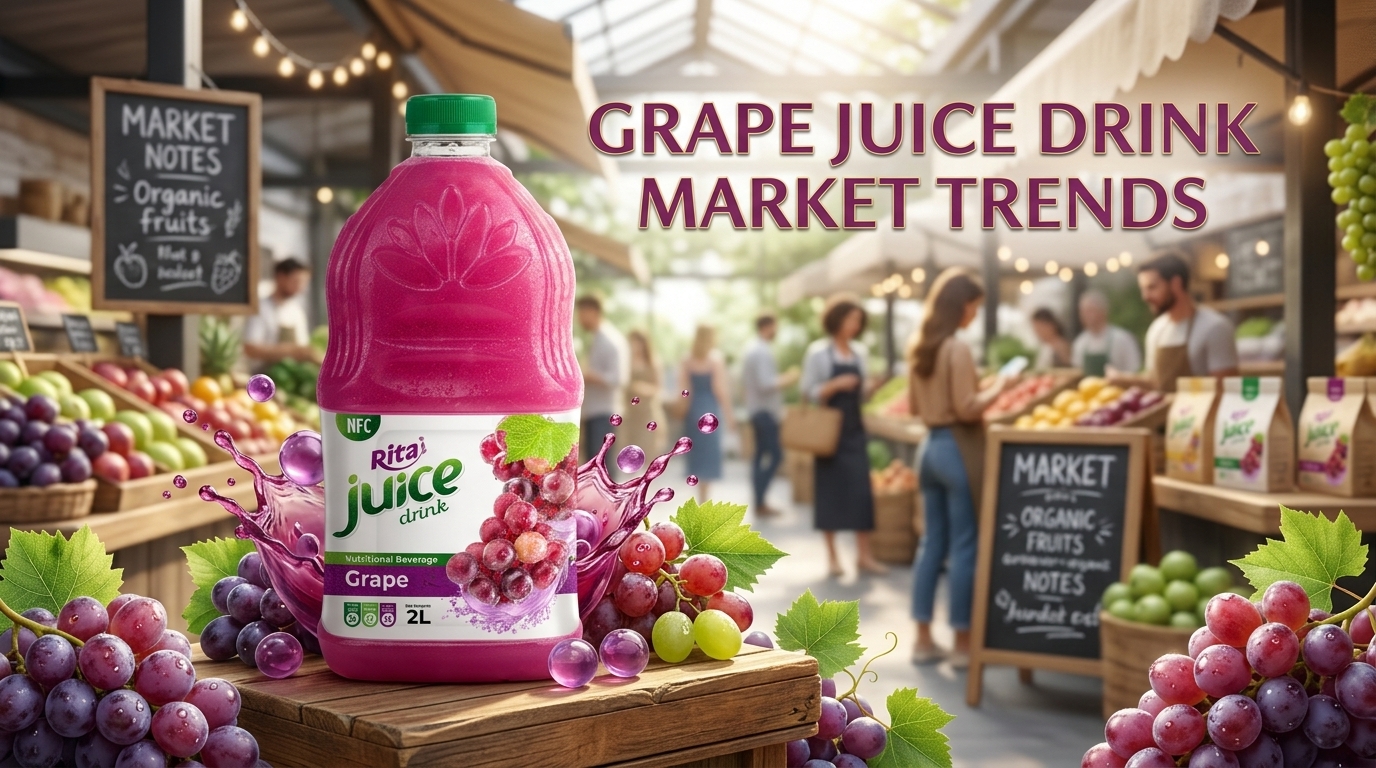 GRAPE JUICE DRINK MARKET TRENDSImages are for illustrative purposes only
Key Takeaways
GRAPE JUICE DRINK MARKET TRENDSImages are for illustrative purposes only
Key Takeaways
- The global grape juice drink market is expanding due to consumer preference for natural fruit flavors and versatile packaging formats.
- Southeast Asia, particularly Vietnam, offers competitive advantages in large-scale production, flexible MOQ, and OEM/ODM capabilities for grape juice beverages.
- Products with extended shelf life (e.g., 18 months) and PET bottle packaging are well-suited for export to markets like the USA and Europe.
- Understanding regional flavor preferences and regulatory compliance (e.g., FDA, BRC) is critical for successful market entry.
- Partnerships with manufacturers like RITA enable distributors to access a wide range of fruit juice drinks, including grape, with customized branding.
The Growing Demand for Grape Juice Beverages in Global Markets
Grape juice has long been a staple in the beverage industry, appreciated for its rich flavor and versatility. In recent years, the demand for premium fruit juice drinks has surged, driven by a global shift towards natural ingredients and transparent labeling. This trend is particularly strong in developed markets such as the United States and Europe, where consumers increasingly seek beverages with simple, recognizable ingredients.
According to industry reports, the fruit juice market is projected to grow steadily, with grape juice holding a significant share. The appeal of grape juice lies in its broad demographic acceptance—from children to adults—and its ability to be used in both standalone drinks and as a base for blends. For businesses looking to import, the key is to partner with manufacturers who can offer consistent quality, competitive pricing, and flexible packaging options.
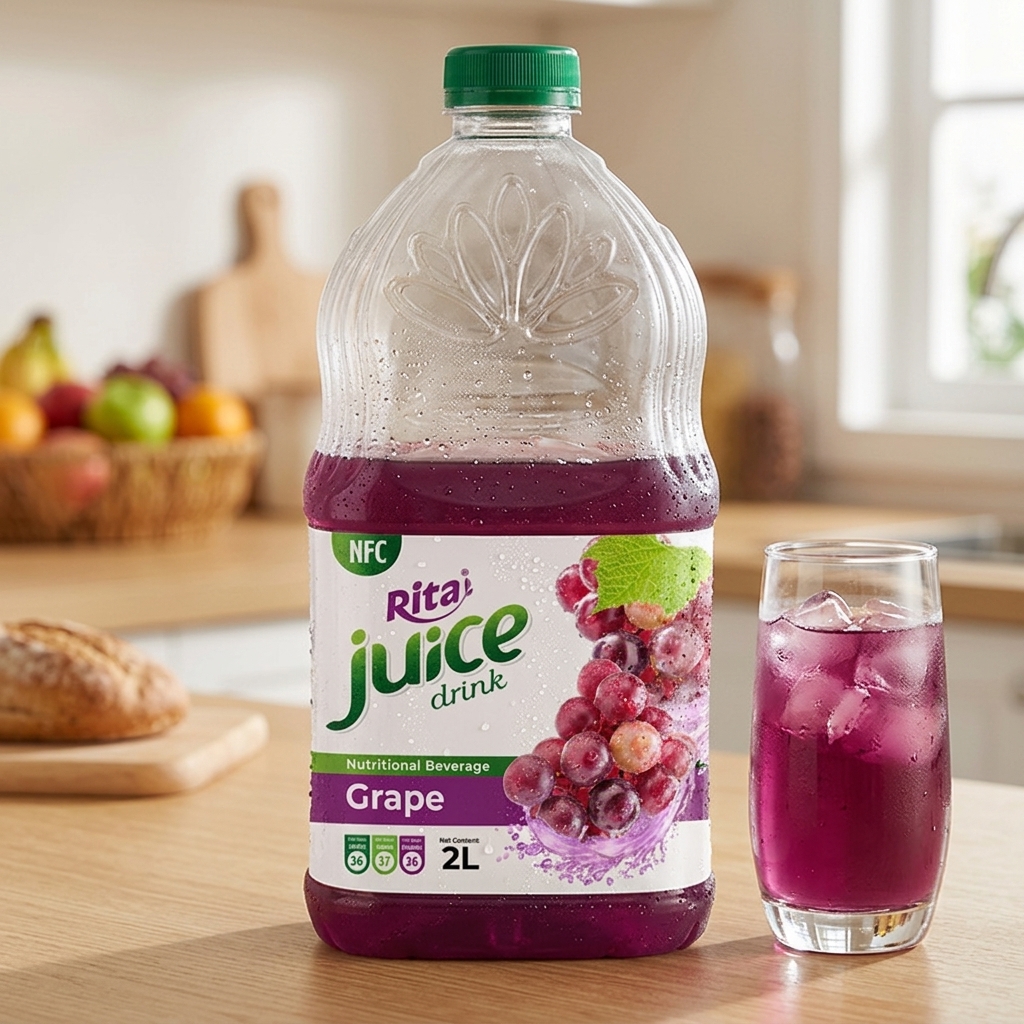 The Growing Demand for Grape Juice Beverages in Global MarketsImages are for illustrative purposes only
Why the USA and Europe Are Prime Markets for Grape Juice Drinks
The United States is one of the largest importers of fruit juices globally. American consumers are increasingly gravitating towards beverages that offer convenience and authentic taste. Grape juice, particularly in PET bottles and large formats like 2L, is popular for household consumption. The demand for organic and non-GMO options is also rising, but conventional grape juice remains a strong category due to its affordability and familiarity.
For exporters, the US market requires strict adherence to FDA regulations and food safety standards. However, the opportunity is significant for products that can offer a clean label and consistent flavor. A grape juice drink market entry strategy should focus on distributors who already serve retail chains, foodservice operators, and discount clubs like Costco or Sam's Club. The 2L PET bottle format, as seen in the RITA Grape Juice Drink, is ideal for this market due to its resealability and shelf stability.
Europe: Preference for Natural and Sustainable Products
European consumers are known for their discerning taste and preference for natural products. The grape juice market in Europe is well-established, with a strong demand for juices that are not from concentrate (NFC) and have minimal additives. Countries like Germany, the UK, and the Netherlands are key importers. European regulations are stringent, particularly regarding pesticide residues and packaging sustainability. However, products that meet BRC and FSSC 22000 certifications have a clear advantage.
Grape juice drinks in PET bottles are popular in Europe for their lightweight and recyclable properties. The 18-month shelf life of products like the RITA Grape Juice Drink ensures that they can withstand long shipping times and still maintain quality upon arrival. For European importers, working with a manufacturer that offers OEM/ODM services allows for localized branding and formulation adjustments, such as reducing sugar content or adding natural flavors.
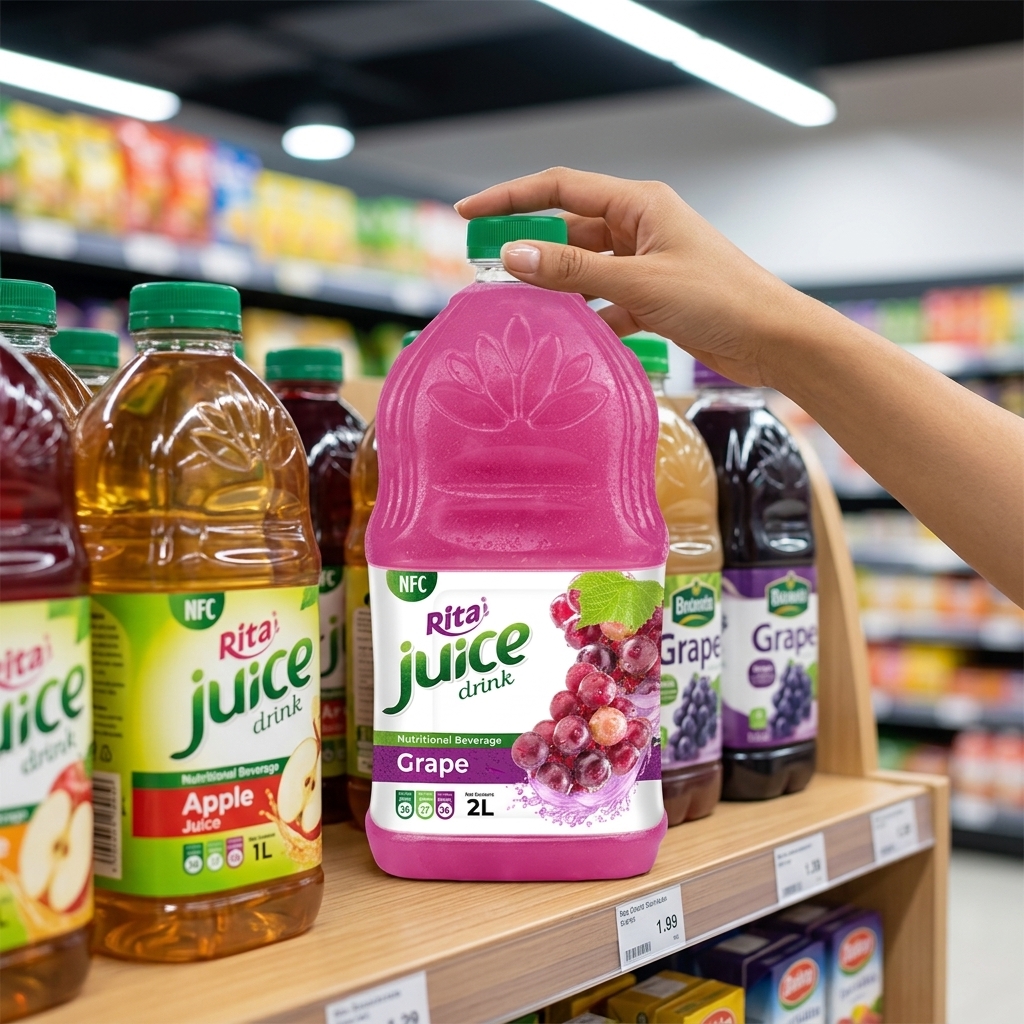 Why the USA and Europe Are Prime Markets for Grape Juice DrinksImages are for illustrative purposes only
Strategic Advantages of Sourcing Grape Juice Drinks from Vietnam
Vietnam has emerged as a major hub for beverage manufacturing, offering unique advantages for global buyers. The country's tropical climate allows for year-round production of fruits, and its growing industrial infrastructure supports large-scale beverage production. For grape juice drinks, Vietnamese manufacturers like RITA have invested in modern facilities with over 50 production lines, ensuring stable quality and fast lead times.
Flexible MOQ and OEM/ODM Capabilities
One of the most attractive aspects of sourcing from Vietnam is the flexibility in minimum order quantities (MOQ). Unlike many large-scale producers who require container-load orders, Vietnamese manufacturers often offer flexible MOQ, making it easier for smaller distributors and startups to enter the market. Additionally, the availability of OEM and ODM services means that buyers can create their own brand, customize packaging, and even adjust the flavor profile to suit local tastes.
For example, the RITA Grape Juice Drink is available under its own brand or as a private label. This flexibility is crucial for businesses looking to differentiate themselves in crowded markets. The product's 2L PET bottle format is a standard size for retail and foodservice, and the 18-month shelf life provides ample time for inventory management and distribution.
Competitive Pricing and Supply Capacity
Vietnam offers competitive pricing compared to other manufacturing hubs in Asia, such as China or Thailand. The country's lower labor costs and efficient logistics contribute to attractive FOB prices. For grape juice drinks, the supply capacity is substantial—manufacturers like RITA can supply up to 600 twenty-foot containers per month, ensuring that even large orders can be fulfilled without delay. Payment terms such as L/C and T/T are standard, and shipping from Ho Chi Minh Port provides easy access to global shipping routes.
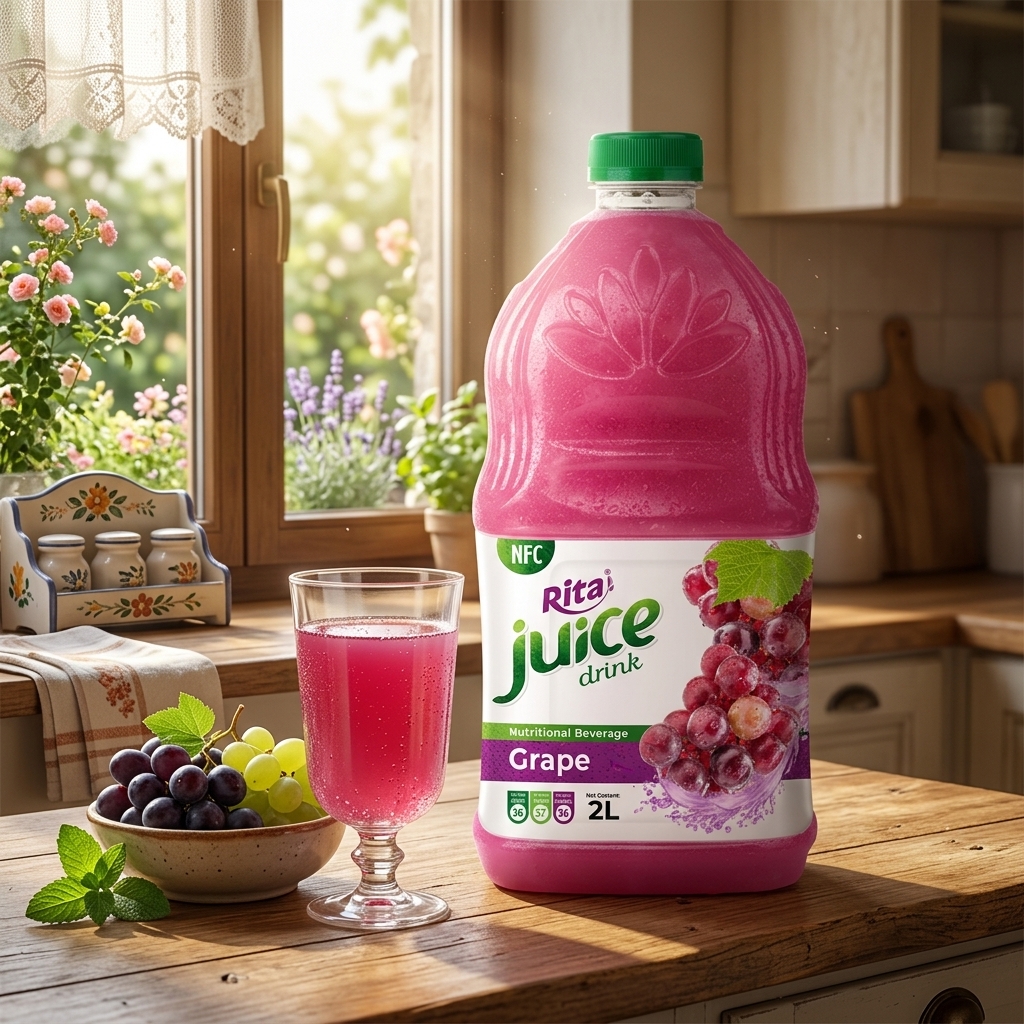 Strategic Advantages of Sourcing Grape Juice Drinks from VietnamImages are for illustrative purposes only
Product Features That Appeal to International Buyers
When evaluating a grape juice drink for import, several product features are critical for success in the USA and Europe. The RITA Grape Juice Drink exemplifies these features:
- Packaging: 2L PET bottle—a format that is both cost-effective and convenient for consumers. PET is lightweight, shatter-resistant, and widely recyclable.
- Shelf Life: 18 months—ensures product stability during long transit and storage periods.
- Flavor Range: While grape is the focus, the availability of other flavors (e.g., mango, orange, guava) allows for mixed container shipments, reducing per-unit shipping costs.
- Certifications: Products are manufactured under ISO, HACCP, HALAL, and BRC standards, meeting the requirements of both US and European regulators.
- Customization: OEM/ODM services enable buyers to adjust sweetness, viscosity, and packaging design to align with local preferences.
Market Entry Strategies for Importers and Distributors
Successfully entering the grape juice drink market requires a strategic approach. Here are key steps for importers and distributors:
1. Identify Target Channels
In the USA, grape juice drinks are commonly sold through grocery chains, wholesale clubs, and online retailers. In Europe, specialty health food stores and discount supermarkets are key channels. Understanding where your target consumers shop is the first step.
2. Ensure Regulatory Compliance
Both the US and Europe have strict labeling requirements. For the US, this includes nutrition facts panels, ingredient lists, and allergen declarations. For Europe, compliance with EU juice directives is necessary. Working with a manufacturer that has experience in these markets can simplify this process.
3. Leverage OEM/ODM Services
Private labeling allows you to build your own brand equity. By partnering with a manufacturer like RITA, you can develop a product that stands out on the shelf. For example, you might create a "premium grape juice" line with a distinctive bottle design or a "light" version with reduced sugar.
4. Test with Small Batches
Thanks to flexible MOQ, you can start with a trial order to test the market response. This reduces financial risk and allows you to gather feedback before scaling up.
Frequently Asked Questions
What is the typical shelf life of a grape juice drink for export?
Most grape juice drinks for export have a shelf life of 12 to 18 months. The RITA Grape Juice Drink offers an 18-month shelf life, which is ideal for long-distance shipping and inventory management.
Can I order a grape juice drink with my own brand label?
Yes, many manufacturers offer OEM and ODM services. RITA provides private label solutions, allowing you to customize the flavor, packaging, and branding of your grape juice drink.
What is the minimum order quantity for a grape juice drink from Vietnam?
Vietnamese manufacturers often offer flexible MOQ. For example, RITA has a flexible MOQ policy, making it accessible for both small and large buyers.
Which certifications should a grape juice drink have for export to the USA or Europe?
For the USA, FDA compliance is essential. For Europe, BRC, FSSC 22000, and organic certifications are advantageous. RITA holds multiple certifications including BRC, HACCP, and HALAL.
For businesses looking to expand their product portfolio or enter the grape juice drink market, sourcing from a reliable manufacturer in Vietnam offers a strategic advantage. With flexible MOQ, OEM/ODM services, and competitive pricing, products like the RITA Grape Juice Drink are well-positioned to meet the demands of both the US and European markets. Explore more about fruit juice products and OEM beverage manufacturing to start your journey.