Global consumers are redefining what hydration means to them, moving beyond plain water and sugary soft drinks toward beverages that combine functional electrolytes with distinctive, sophisticated flavors.
This shift in consumer behavior is creating significant new opportunities for beverage manufacturers and exporters, with products like the Yuzu Ginger Electrolyte Water Drink representing a new generation of low-sugar hydration beverages designed for the global marketplace.
From bustling convenience stores in Southeast Asia to premium retail shelves in Europe and North America, the demand for flavorful, low-calorie hydration options is accelerating. Industry analysts point to a convergence of health-conscious purchasing patterns, adventurous flavor exploration, and the rise of on-the-go consumption as key factors reshaping the broader hydration market and redefining how brands compete for consumer attention.

Key Takeaways
- Global consumer behavior is shifting decisively toward low-sugar, low-calorie hydration beverages, driven by growing awareness of sugar intake and demand for electrolyte-enhanced formulations.
- Yuzu and ginger are emerging as premium flavor profiles in international markets, appealing to consumers seeking unique citrus-spice combinations beyond traditional lemon or orange flavors.
- Private label and OEM manufacturing models are enabling brands worldwide to enter the hydration category quickly, with Vietnamese manufacturers like RITA offering scalable production across 200+ export markets.
- Packaging innovation—including slim aluminum cans with premium visual design—plays a critical role in impulse purchasing decisions and retail shelf differentiation.
- The low-sugar electrolyte water segment is positioned for sustained growth across the Americas, Europe, Asia-Pacific, Middle East, Africa, and Oceania.
The Low-Sugar Hydration Boom: A Global Consumer Behavior Shift
Consumer preferences in the beverage sector are undergoing a structural transformation that extends far beyond any passing trend. Across virtually every major market, shoppers are actively reducing their sugar consumption while simultaneously demanding more from their beverages than simple thirst-quenching.

This dual demand—for less sugar and more functionality—has created a thriving new subcategory within the broader hydration landscape. The global functional beverage market is projected to exceed $200 billion by 2030, with electrolyte-enhanced waters and low-sugar drinks representing one of the fastest-growing segments. The consumer shift is particularly pronounced among millennials and Gen Z demographics, who prioritize label transparency, ingredient quality, and flavor innovation when making purchasing decisions at the shelf.
Shifting Purchase Drivers
Modern consumers evaluate beverages through a complex lens that balances nutrition, taste, convenience, and brand values. Where sugar content once played a secondary role to flavor and price, today's shoppers frequently scan nutritional panels before making a purchase. The demand for low-sugar hydration products is not merely about reducing calories—it reflects a broader lifestyle philosophy that values mindful consumption without sacrificing sensory enjoyment.
Retail data from multiple markets confirms that products positioned at the intersection of health-forward formulation and indulgent flavor profiles consistently outperform their category peers. This behavioral pattern explains why the Yuzu Ginger Electrolyte Water Drink, which delivers approximately 26 kcal and just 4.5 grams of sugar per 100 ml, resonates so strongly with contemporary purchasing priorities across diverse demographics.
Several key factors are driving this fundamental shift in the hydration category:
- Increased nutritional literacy among younger consumers who read labels before purchasing
- Growing social media influence promoting mindful beverage choices
- Rising availability of premium hydration options in mainstream retail channels
- Expanding awareness of electrolyte supplementation beyond athletic contexts
- Regulatory pressure on sugary beverages in multiple jurisdictions worldwide
Electrolytes Move Beyond Sports
Perhaps the most significant behavioral shift in the hydration category is the mainstreaming of electrolyte-enhanced beverages. Once confined to the sports nutrition aisle, electrolyte waters are now positioned as everyday hydration solutions for office workers, travelers, commuters, and families. This democratization of electrolyte consumption has expanded the addressable market by orders of magnitude.
The electrolyte water drink category has grown substantially as consumers recognize the role of electrolytes in daily hydration—not just during intense physical activity. This broader understanding has been fueled by social media wellness conversations, athlete endorsements, and accessible nutritional education. As a result, brands are racing to develop electrolyte beverages that fit seamlessly into daily routines rather than specialized athletic contexts, fundamentally changing the competitive dynamics of the category.
Flavor Innovation as a Competitive Weapon
In a market increasingly crowded with hydration options, flavor has become the primary battleground for differentiation. While lemon, orange, and berry flavors still dominate shelf space, a new wave of globally inspired flavor combinations is capturing consumer attention—and commanding premium price points that improve margins across the value chain.
The Yuzu Ginger Electrolyte Water Drink exemplifies this flavor innovation strategy, combining the bright, aromatic citrus character of yuzu with the subtle warming notes of ginger root. This pairing appeals to consumers who are actively seeking novel taste experiences and are willing to explore beyond familiar flavor territories that have long dominated the global beverage market.
The Global Rise of Yuzu
Yuzu, a citrus fruit originally cultivated in East Asia, has experienced a remarkable surge in global popularity over the past decade. What was once an obscure ingredient known primarily within Japanese and Korean culinary traditions has become a darling of the international food and beverage industry. Its distinctive aromatic profile—often described as a complex blend of mandarin, lemon, and grapefruit—offers a sophisticated citrus alternative that resonates with adventurous consumers worldwide.
The global yuzu market is expanding rapidly, with the ingredient appearing in everything from premium cosmetics to craft cocktails and, increasingly, functional beverages. Beverage manufacturers who incorporate yuzu into their formulations gain an immediate perception of premium positioning and flavor authenticity. The fruit's natural golden-yellow hue also provides a visually appealing product appearance that translates beautifully across packaging formats and marketing channels in diverse international markets.
Ginger's Enduring Appeal
Ginger, meanwhile, represents one of the world's most universally recognized and appreciated flavor ingredients. Its presence spans cultures and continents—from Asian cuisines to European herbal traditions to modern wellness beverages. In the context of an electrolyte water drink, ginger adds a subtle, warming complexity that balances the bright citrus notes of yuzu and creates a more layered, satisfying taste experience that keeps consumers coming back.
For beverage formulators, ginger offers the added advantage of broad global acceptance. Unlike some emerging flavor trends that face regional barriers, ginger's familiarity across diverse markets makes it a strategic choice for products intended for wide international distribution. The combination of yuzu's novelty and ginger's familiarity creates a flavor profile that is simultaneously exciting and approachable—a balance that is difficult to achieve but highly valuable in the global marketplace where consumer tastes vary enormously.
Yuzu Ginger Electrolyte Water: Product Design and Packaging
Consumer behavior research consistently demonstrates that packaging design influences purchasing decisions as much as—or sometimes more than—the product itself. In the competitive hydration category, where dozens of brands compete for attention on crowded retail shelves, the visual and tactile elements of packaging serve as a critical first point of consumer engagement that can make or break a product's commercial trajectory.
The Yuzu Ginger Electrolyte Water Drink's premium 325 ml slim aluminum can reflects a deep understanding of contemporary consumer expectations. The golden-yellow color palette, combined with illustrations of whole yuzu fruit and ginger root, communicates natural ingredient authenticity at a glance. Condensation imagery and modern typography reinforce the product's positioning as a refreshing, contemporary hydration solution suitable for impulse purchases in convenience channels and premium retail environments across global markets.
Why Aluminum Cans Dominate Hydration
Aluminum cans have emerged as the preferred packaging format for premium hydration beverages, and for good reason. They offer superior shelf stability without the need for preservatives, excellent recyclability that appeals to environmentally conscious consumers, and a premium tactile experience that communicates quality. The slim can format, in particular, has gained favor among younger demographics who associate the sleek silhouette with modern, lifestyle-oriented brands.
For manufacturers like RITA, the choice of aluminum can packaging also supports efficient global logistics. Cans are lightweight, stackable, and resistant to breakage during long-distance shipping—critical factors for a company that exports to more than 200 countries and territories from its Vietnamese production facilities. This combination of consumer appeal and logistical practicality makes aluminum cans an increasingly dominant choice in the hydration category worldwide.
Private Label Opportunities in Premium Packaging
The sophistication of modern can manufacturing technology has also democratized premium packaging for private label brands. Where once only multinational corporations could afford custom-designed, high-quality cans, today's OEM and ODM partnerships enable mid-size and emerging brands to access the same level of packaging excellence. RITA's OEM service and ODM service platforms allow international partners to customize flavors, sweetness levels, electrolyte formulations, and can designs for their specific market requirements, significantly reducing the barriers to entry in the premium hydration segment.
Source of Quality Ingredients: RITA's Sourcing Standards
The quality of any electrolyte water drink begins with its raw materials, and leading manufacturers are increasingly transparent about their ingredient sourcing practices. In Vietnam, where RITA's production facilities are located, the agricultural landscape offers access to a diverse range of high-quality tropical and subtropical ingredients that serve as the foundation for innovative beverage formulations.
Ginger, one of the two primary flavor components in the Yuzu Ginger Electrolyte Water Drink, is widely cultivated across Vietnam's agricultural regions. The country's warm climate and fertile soils provide ideal growing conditions for ginger root, which is harvested at peak freshness and processed using advanced extraction methods to preserve its natural flavor compounds. RITA's ingredient sourcing philosophy emphasizes freshness, consistency, and traceability—qualities that are essential for maintaining the distinctive flavor profile that consumers expect from a premium hydration beverage.
The Mekong Delta region, known as Vietnam's agricultural heartland, plays a particularly important role in the country's beverage ingredient supply chain. The delta's rich alluvial soils and abundant water resources support the cultivation of a wide variety of fruits and aromatic plants, including ginger, that are prized for their flavor intensity and quality. Many of Vietnam's leading beverage manufacturers source key raw materials from this productive agricultural zone to ensure consistent quality across their product lines.
For yuzu, which originates from East Asian growing regions, RITA leverages its extensive global supply chain network to procure high-quality yuzu extracts and flavoring compounds that deliver the authentic citrus character consumers expect. This combination of locally sourced ginger and carefully selected yuzu ingredients creates the distinctive flavor profile that sets the Yuzu Ginger Electrolyte Water Drink apart from conventional citrus-flavored hydration products available in the global marketplace.
Global Export Reach and OEM Capabilities
For international brands and distributors seeking to enter the low-sugar hydration category, the choice of manufacturing partner can determine success or failure. RITA Food and Drink Co., Ltd., established in 2004, has built one of Southeast Asia's most comprehensive beverage manufacturing and export operations, with capabilities that span the full product development lifecycle from concept to shelf.
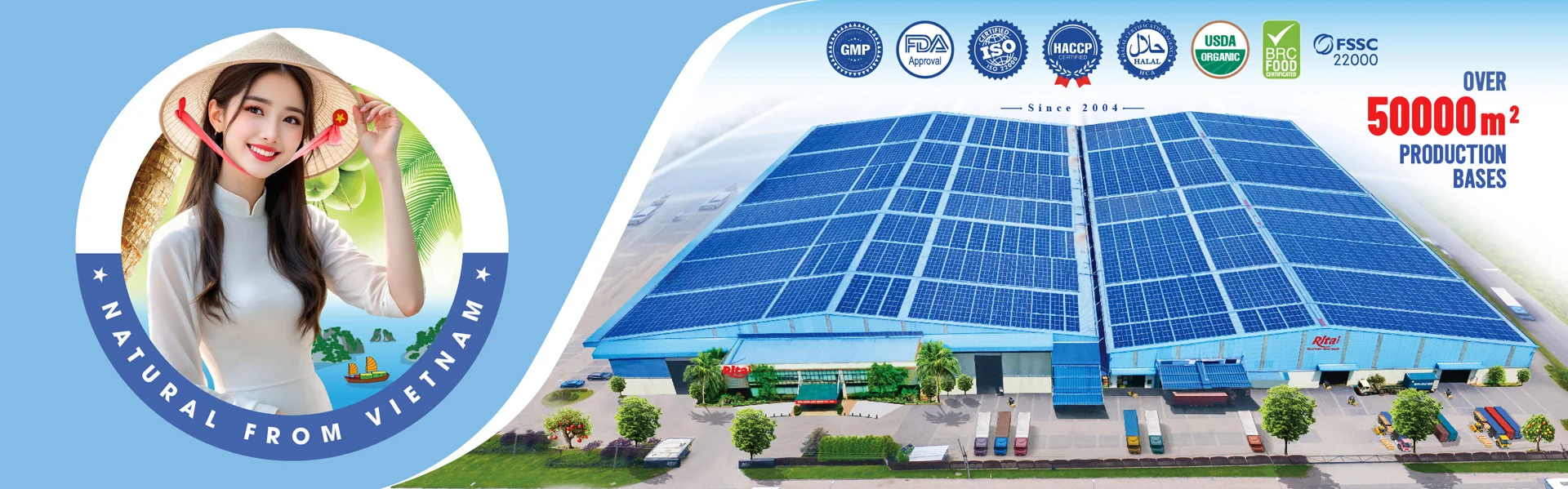
With over 50 automated production lines and the capacity to export more than 1,200 containers monthly, RITA operates at a scale that few regional competitors can match. The company's extensive certification portfolio—including BRC, FSSC 22000, Halal, Kosher, ISO, GMP, and HACCP—ensures that products meet the regulatory and quality requirements of markets across the Americas, Europe, Asia, the Middle East, Africa, and Oceania. This breadth of certification is particularly important in the functional hydration category, where regulatory requirements can vary significantly between jurisdictions and can create substantial barriers for inadequately certified manufacturers.
Scalable Production for Growing Brands
One of the most significant advantages that RITA offers to international partners is scalable production capacity. Whether a brand requires an initial production run of a few thousand cases for market testing or a full-scale launch of millions of cans, RITA's infrastructure can accommodate the full spectrum of order volumes. This flexibility is invaluable for brands entering the functional beverage category for the first time, as it allows them to validate market demand before committing to larger production commitments.
The company's R&D capabilities further enhance its value proposition for partners seeking to develop customized hydration beverages. RITA's technical team works closely with clients to develop formulations that meet specific flavor, sweetness, electrolyte, and nutritional profiles—ensuring that each product is precisely tailored to its target market's preferences and regulatory requirements. From initial flavor development through packaging design to final production, the R&D partnership model enables brands to launch market-ready products with significantly reduced development timelines and risk.
Market Outlook and Emerging Opportunities
The trajectory of the global low-sugar hydration market suggests sustained growth over the coming decade. Several macro-level trends are converging to support this expansion, creating substantial opportunities for manufacturers, brands, and retailers who position themselves strategically within the category.
Urbanization continues to drive demand for convenient, portable hydration solutions. As more consumers in developing markets gain access to modern retail channels, the availability and visibility of premium hydration products expand correspondingly. Simultaneously, in mature markets like North America and Western Europe, the shift away from traditional carbonated soft drinks toward lower-sugar alternatives continues to accelerate, with electrolyte-enhanced waters capturing an increasing share of the overall hydration category.
Key factors supporting growth in the low-sugar electrolyte water segment include:
- Urbanization driving demand for convenient, portable hydration solutions across emerging markets
- Sugar reduction regulations and consumer awareness campaigns across major markets
- Rising middle-class consumption in developing economies throughout Asia and Africa
- Growing preference for distinctive, globally inspired flavor profiles over generic options
- Private label expansion across retail channels in developed and developing markets alike
Regional Dynamics for the Yuzu Ginger Electrolyte Water Drink
The Yuzu Ginger Electrolyte Water flavor profile is particularly well-suited to capitalize on several regional market dynamics. In Asia-Pacific, where yuzu is already familiar to consumers, the product offers a distinctive upgrade to existing citrus-flavored beverages. In Western markets, the exotic appeal of yuzu combined with the familiar warmth of ginger creates a differentiated offering that stands out in an increasingly crowded shelf environment where novelty drives trial purchases.
Middle Eastern and African markets, with their growing young populations and expanding middle classes, represent particularly attractive growth frontiers for low-sugar hydration beverages. These regions are experiencing rapid increases in beverage consumption per capita, and the demand for premium, internationally branded hydration products is growing faster than in many established markets. Similarly, Oceania and Latin American markets show strong growth trajectories for the hydration category, driven by increasing health awareness and rising disposable incomes among urban consumers.
The Private Label Acceleration
Perhaps the most significant business opportunity in the low-sugar hydration space is the accelerating private label trend. Retail chains across all major markets are investing heavily in their own-label beverage lines, seeking to capture margin that was previously captured by national brands. For manufacturers like RITA, this trend translates into growing demand for private label fruit-flavored electrolyte beverages and hydration drinks that can be customized for individual retail partners and their specific customer demographics.
The economics of private label production in the hydration category are compelling. Retailers benefit from higher margins and greater control over product specifications, while manufacturers benefit from stable, volume-driven production schedules. For the end consumer, the result is an expanding range of premium-quality, affordable hydration options that would not be viable at scale under traditional brand-only distribution models.
Industry reports suggest that the private label share of the global beverage market will continue to increase, with low-sugar and functional categories leading the expansion. Brands that establish strong OEM and ODM relationships with capable manufacturers now will be best positioned to capture this growth as it materializes across global markets over the next several years.
Frequently Asked Questions
What makes the Yuzu Ginger Electrolyte Water Drink different from regular sports drinks?
Unlike traditional sports drinks that are often high in sugar and designed specifically for athletic performance, the Yuzu Ginger Electrolyte Water Drink is positioned as an everyday hydration solution. With approximately 26 kcal and 4.5 grams of sugar per 100 ml, it delivers a low-sugar, low-calorie alternative that combines electrolyte supplementation with a distinctive yuzu-ginger flavor profile. The product is designed for a broad range of consumption occasions, from daily hydration to on-the-go convenience.
Is the Yuzu Ginger Electrolyte Water Drink available for private label manufacturing?
Yes. RITA offers comprehensive OEM and ODM private label services for this product and its entire beverage portfolio. International brands and retailers can customize flavors, sweetness levels, electrolyte formulations, and packaging designs to meet the specific requirements of their target markets. RITA's production infrastructure supports both small-volume market testing runs and large-scale commercial production across more than 200 countries.
What certifications does RITA hold for international beverage export?
RITA maintains a comprehensive portfolio of internationally recognized certifications, including BRC, FSSC 22000, Halal (Jakim and HCA-GCC), Kosher, ISO, GMP, HACCP, and SMETA. These certifications enable the company to export to more than 200 countries and territories while meeting the regulatory and quality standards required by diverse international markets.
What packaging formats are available for the Yuzu Ginger Electrolyte Water Drink?
The product is currently available in a premium 325 ml slim aluminum can. However, RITA's manufacturing capabilities extend to glass bottles, PET bottles, PP bottles, and flexible pouch formats, allowing partners to select the packaging option that best suits their market requirements and distribution channels.