The global beverage industry is undergoing a significant transformation, driven by shifting consumer preferences toward products that offer both enjoyment and functional value. Among the most dynamic categories is the fermented tea segment, particularly kombucha. However, a new wave of innovation is emerging: kombucha prebiotic drinks.
These products are not just a trend but represent a strategic evolution in the non-alcoholic beverage sector. For importers, distributors, and wholesalers, understanding this shift is crucial for capitalizing on new opportunities.
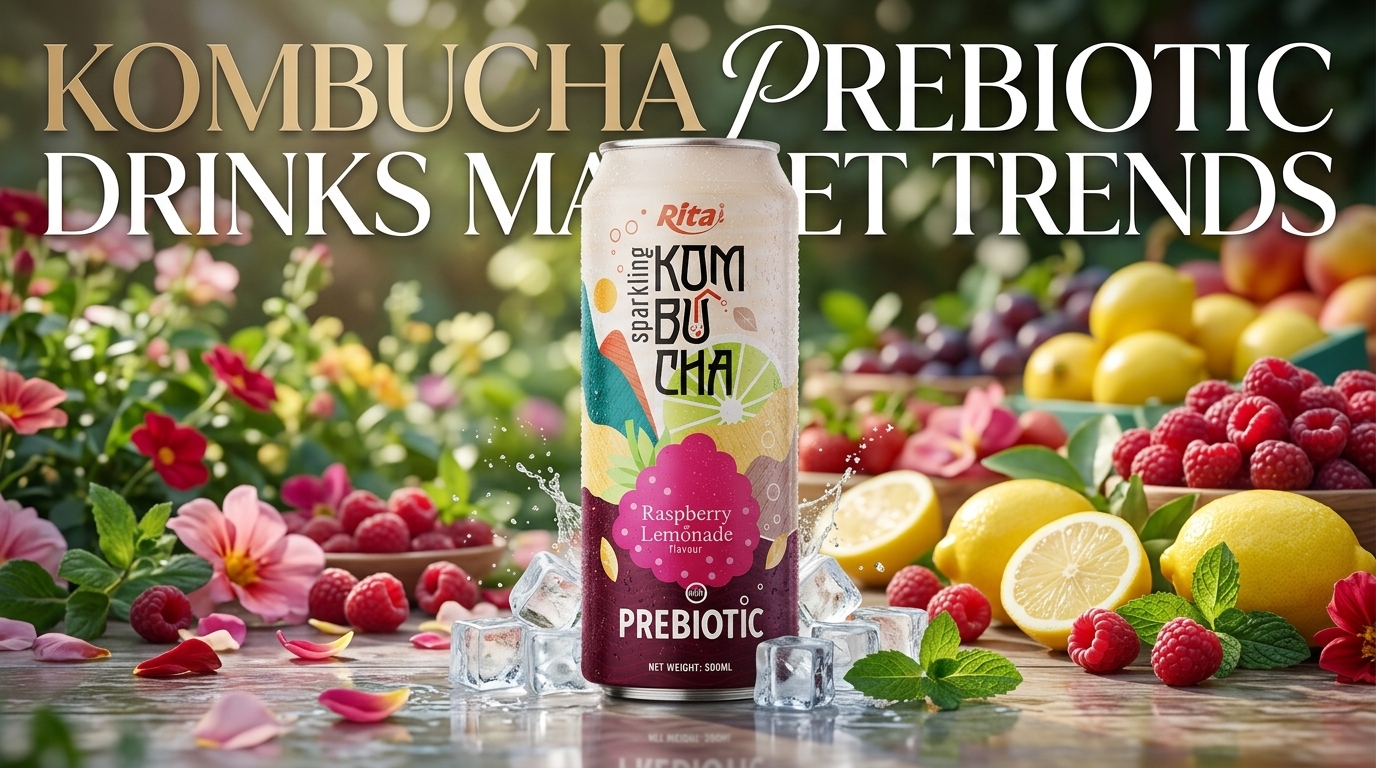 KOMBUCHA PREBIOTIC DRINKS MARKET TRENDSImages are for illustrative purposes only
This article provides an in-depth analysis of the kombucha prebiotic drink market, focusing on two key regions: the United States and Europe. We will explore consumption trends, market drivers, and the specific opportunities available for businesses looking to source or distribute such products. A practical example of this product category is the Sparkling Kombucha Prebiotic with Raspberry and Lemonade 500ml Cans, which illustrates how manufacturers are adapting to market demands.
Key Takeaways
- The US and European markets show strong demand for kombucha prebiotic drinks, driven by consumer interest in digestive wellness and natural ingredients.
- Importers and distributors can benefit from the growing trend of low-sugar, sparkling functional beverages in convenience packaging like 500ml cans.
- Manufacturers offering flexible MOQ and OEM/ODM services, such as RITA, provide a viable entry point for businesses exploring the Sparkling Kombucha Prebiotic with Raspberry and Lemonade 500ml Cans category.
- The 24-month shelf life and aluminum can packaging make this product type suitable for long-distance export and retail shelf stability.
- Understanding local regulations and consumer preferences is key to successfully positioning kombucha prebiotic drinks in these mature markets.
Market Overview: The Rise of Kombucha Prebiotic Drinks
The kombucha market has evolved from a niche health food store item to a mainstream category found in supermarkets and convenience stores. In the US, the kombucha market was valued at over $1.7 billion in 2023, with a compound annual growth rate (CAGR) of approximately 15-20%. Europe, while slightly behind in adoption, is experiencing rapid growth, particularly in the UK, Germany, and the Nordic countries. The introduction of prebiotic variants adds a new dimension, appealing to consumers seeking specific digestive wellness benefits without the high sugar content often found in traditional kombucha.
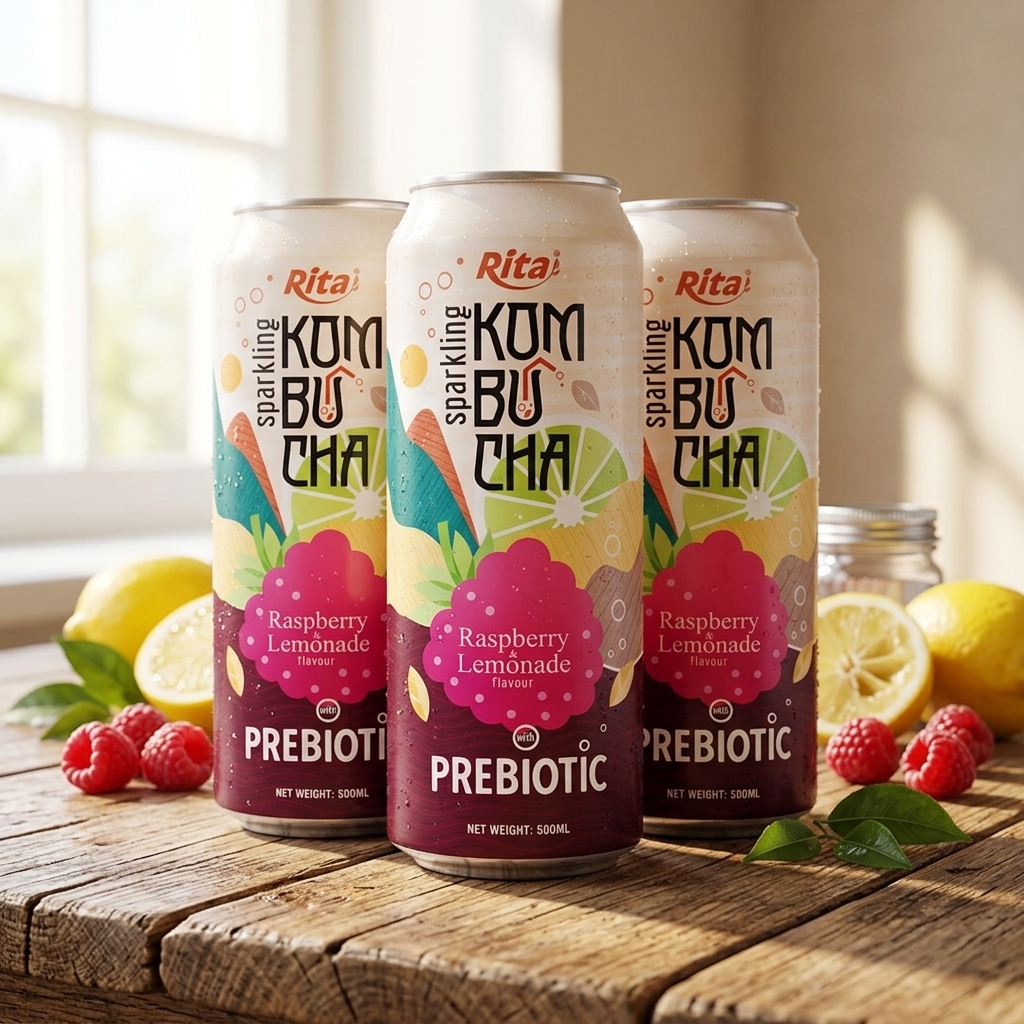 Market Overview: The Rise of Kombucha Prebiotic DrinksImages are for illustrative purposes only
Prebiotics are non-digestible fibers that feed beneficial gut bacteria. When combined with the live cultures in kombucha, the result is a product that aligns with broader consumer interest in gut health. However, it is crucial to note that this article does not make any health claims. Instead, we focus on the market perception and consumer behavior driving this category. The Sparkling Kombucha Prebiotic with Raspberry and Lemonade 500ml Cans is a representative product that leverages this trend with a clean flavor profile and convenient packaging.
Focus Market 1: United States
Consumption Trends
The US is the largest market for kombucha globally. American consumers are increasingly label-conscious, favoring products with recognizable ingredients, low added sugar, and functional attributes. Sparkling kombucha prebiotic drinks fit perfectly into this landscape. The raspberry and lemonade flavor combination is particularly appealing because it offers a familiar, refreshing taste that bridges the gap between traditional soda and fermented tea.
Another key trend is the shift toward canned beverages. Aluminum cans are lightweight, recyclable, and protect the product from light, which can degrade quality. The 500ml can size is popular for single-serve consumption, offering a generous portion that is ideal for on-the-go lifestyles. Products with a shelf life of 24 months, like the Sparkling Kombucha Prebiotic with Raspberry and Lemonade 500ml Cans, are well-suited for the US supply chain, which often involves long distribution channels.
Opportunities for Importers and Distributors
For US importers, the opportunity lies in sourcing products that offer a point of differentiation. Many domestic kombucha brands are small-scale and face challenges in meeting large-volume orders. Vietnamese manufacturers like RITA, with a supply ability of 600 twenty-foot containers per month, can fill this gap. The flexible MOQ is particularly attractive for mid-sized distributors who want to test the market without committing to massive volumes.
The US market also has a strong demand for private-label products. Retailers like Whole Foods, Target, and Kroger are expanding their store-brand offerings in the functional beverage aisle. An OEM/ODM partner can help create a custom flavor or branding, using the existing formulation as a base. The Sparkling Kombucha Prebiotic with Raspberry and Lemonade 500ml Cans serves as a practical example of a product that can be adapted for private label.
Why This Product Suits the US Market
- Flavor Profile: Raspberry and lemonade is a universally appealing combination, familiar to American palates.
- Packaging: Aluminum cans are widely accepted and recyclable, aligning with US sustainability trends.
- Shelf Life: 24 months allows for extended storage and reduces the risk of spoilage during transit.
- Supply Chain: Ho Chi Minh Port offers efficient shipping routes to US West Coast ports.
Focus Market 2: Europe
Consumption Trends
Europe is a diverse market, but common trends include a strong preference for natural ingredients, low sugar content, and innovative flavors. The UK leads in kombucha consumption, followed by Germany and France. European consumers are also highly attentive to packaging sustainability. Aluminum cans are favored over plastic bottles in many countries due to higher recycling rates.
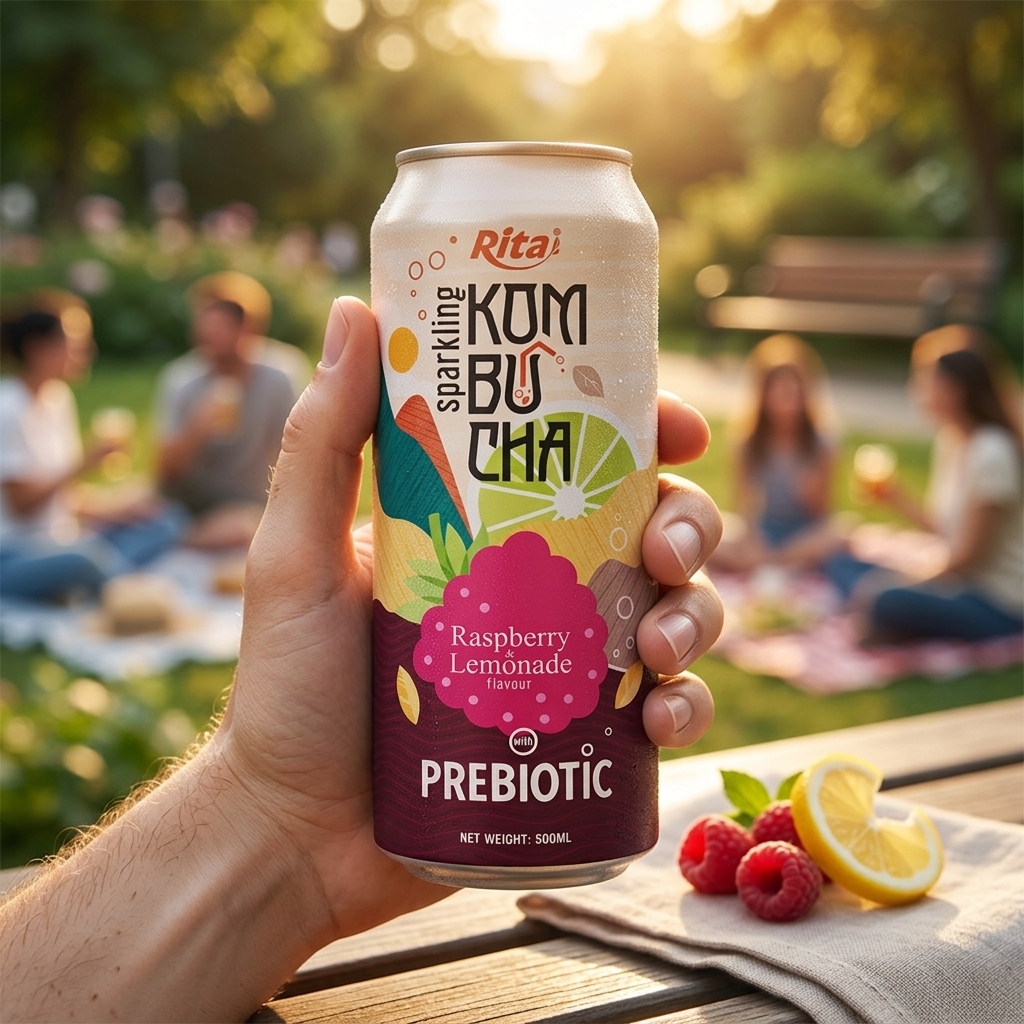 Consumption TrendsImages are for illustrative purposes only
The prebiotic angle is particularly relevant in Europe, where digestive health is a major consumer concern. However, marketers must be careful with language, as EU regulations on health claims are strict. The focus should remain on the product's ingredients and flavor experience. The Sparkling Kombucha Prebiotic with Raspberry and Lemonade 500ml Cans can be positioned as a refreshing, low-sugar alternative to traditional soft drinks.
Opportunities for Distributors
European distributors are increasingly looking for reliable suppliers outside the continent to diversify their sourcing. Vietnamese manufacturers offer competitive pricing without compromising on quality, thanks to certifications like BRC, FSSC 22000, and EU Organic. The flexible MOQ is a significant advantage for European importers who may want to start with smaller trial orders before scaling up.
The 500ml can size is also gaining traction in Europe, particularly in the convenience and on-the-go segments. Products with a shelf life of 24 months are ideal for the European retail environment, where products may sit on shelves for several months. The Sparkling Kombucha Prebiotic with Raspberry and Lemonade 500ml Cans meets these logistical requirements effectively.
Why This Product Suits the European Market
- Regulatory Compliance: RITA holds certifications like BRC and FSSC 22000, which are recognized and often required by European retailers.
- Flavor Innovation: Raspberry and lemonade offers a departure from traditional kombucha flavors, appealing to younger consumers.
- Packaging: Aluminum cans are lightweight and reduce shipping costs, a key consideration for transcontinental trade.
- Payment Terms: L/C and T/C are standard in international trade, and RITA offers both.
Production and Supply Chain Considerations
When sourcing a kombucha prebiotic drink from a manufacturer, several factors are critical for importers. The production process must ensure consistency in flavor and carbonation. RITA's factory, spanning 30,000 m² with over 50 production lines, is capable of handling large volumes. The supply ability of 600 containers per month indicates a robust infrastructure that can meet both small and large orders.
The 500ml aluminum can format is a strategic choice. It is cost-effective to produce, easy to stack, and has a lower carbon footprint compared to glass bottles. The 24-month shelf life is achieved through aseptic processing and proper packaging, ensuring product stability without the need for refrigeration. This is a key selling point for distributors who want to store products in ambient warehouses.
Importers should also consider the flexibility in MOQ. RITA offers a flexible minimum order quantity, which allows businesses to start with a test run. This reduces financial risk and enables market validation before committing to larger volumes. The Sparkling Kombucha Prebiotic with Raspberry and Lemonade 500ml Cans is an example of a product that can be ordered in smaller quantities for initial market entry.
Strategic Recommendations for Importers and Distributors
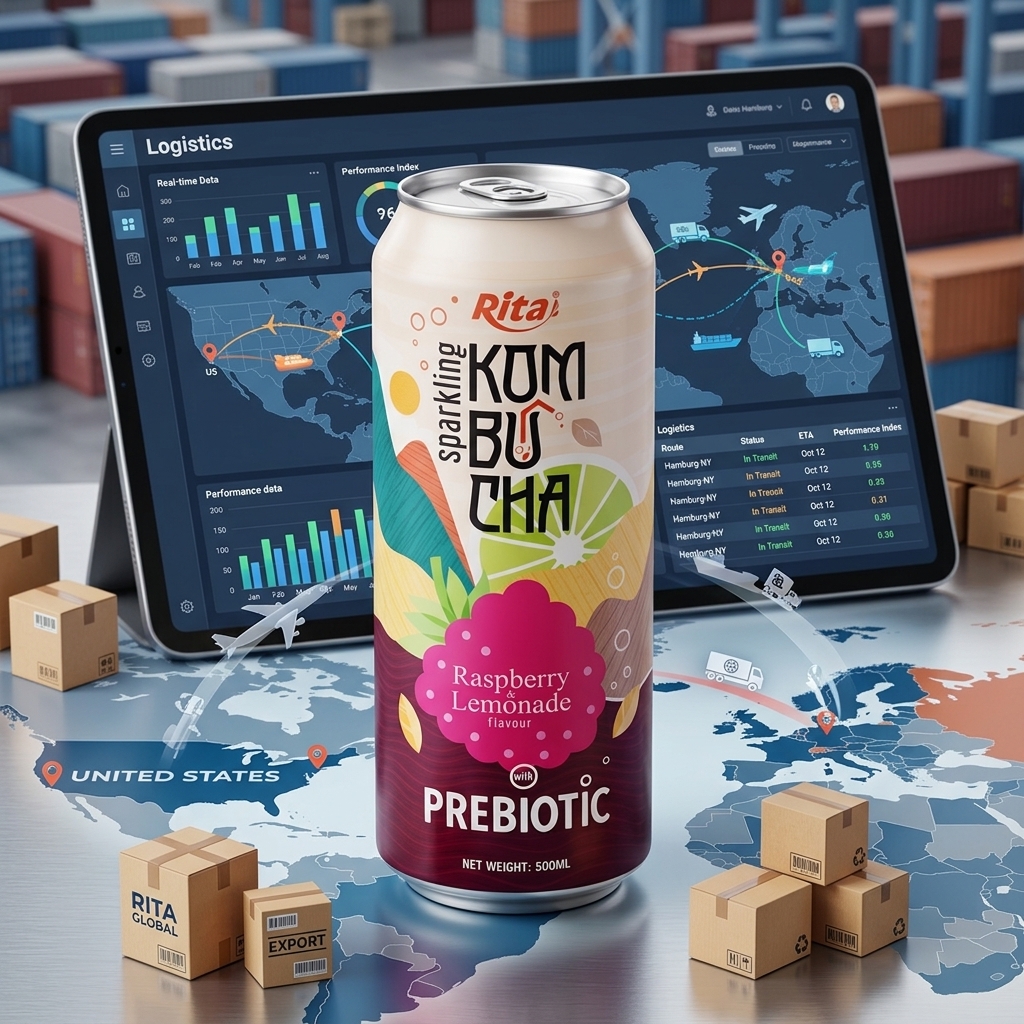 Opportunities for Importers and DistributorsImages are for illustrative purposes only
To successfully enter the US or European market with a kombucha prebiotic drink, businesses should focus on the following strategies:
- Partner with a reliable OEM/ODM manufacturer: Look for a partner with certifications like BRC or FSSC 22000, such as RITA. This ensures product quality and regulatory compliance.
- Customize the product: Use the base formulation of the Sparkling Kombucha Prebiotic with Raspberry and Lemonade 500ml Cans as a starting point. Adjust sweetness, carbonation, or flavor to suit local preferences.
- Leverage packaging: Aluminum cans are a strong selling point. Highlight the sustainability and convenience aspects in marketing materials.
- Test the market: Take advantage of flexible MOQ to run a pilot launch in a specific region or retail chain before scaling up.
- Understand local regulations: Work with a legal expert to ensure that product labeling and marketing comply with FDA (US) or EFSA (Europe) guidelines.
Frequently Asked Questions
What is a kombucha prebiotic drink?
A kombucha prebiotic drink is a fermented tea beverage that contains prebiotic fibers, which are non-digestible ingredients that support beneficial gut bacteria. It combines the traditional kombucha fermentation process with added prebiotics, often in a sparkling, flavored format like raspberry and lemonade.
Why are 500ml cans popular for kombucha prebiotic drinks?
500ml cans are popular because they offer a single-serve portion that is convenient for on-the-go consumption. Aluminum cans are lightweight, recyclable, and protect the product from light, which helps maintain flavor and quality over the 24-month shelf life.
What should importers look for in a kombucha prebiotic manufacturer?
Importers should look for manufacturers with certifications like BRC, FSSC 22000, or EU Organic, a flexible MOQ, reliable supply chain, and experience in OEM/ODM services. A manufacturer with a high supply ability, such as 600 containers per month, ensures consistent order fulfillment.
How does the shelf life of 24 months benefit distributors?
A 24-month shelf life allows distributors to store products in ambient warehouses without refrigeration, reducing storage costs. It also minimizes the risk of spoilage during long-distance shipping and provides flexibility in inventory management.
Is flexible MOQ important for new market entry?
Yes, flexible MOQ is important because it allows distributors to test the market with a smaller initial order. This reduces financial risk and enables businesses to validate consumer demand before committing to larger volumes.