The global beverage industry is undergoing a significant transformation as consumer preferences shift toward products that align with modern dietary trends and lifestyle choices. Among the most notable developments is the increasing demand for sugar-free carbonated soft drinks, particularly those packaged in convenient, single-serve formats like the 330ml can.
This trend is not merely a passing fad but a structural change driven by health-conscious consumers, regulatory pressures, and evolving taste preferences. For importers, distributors, and wholesalers looking to expand their portfolios, understanding the dynamics of this segment is essential. The sugar free cola drink carbonated 330ml cans market offers a compelling entry point, combining established consumer familiarity with modern formulation innovations.
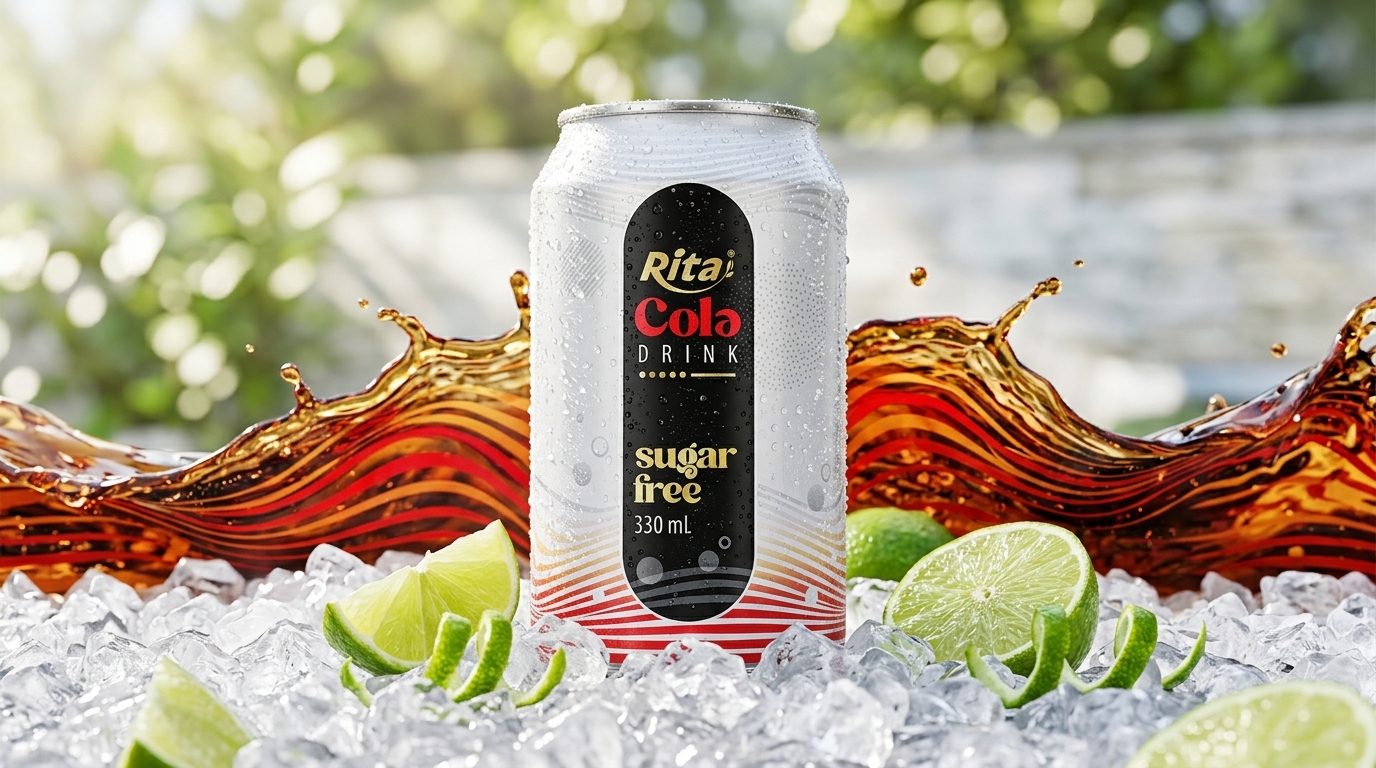
Key Takeaways
- The global sugar-free cola segment is growing rapidly due to rising consumer awareness and sugar reduction policies.
- Packaging in 330ml cans provides logistical advantages, including portability, shelf stability, and recyclability.
- OEM and ODM manufacturing partnerships, like those offered by RITA, enable flexible market entry with customizable branding and formulations.
- The sugar free cola drink carbonated 330ml cans category is well-suited for both retail and foodservice channels.
- Vietnam, as a production hub, offers competitive pricing and scalable supply capabilities for global distribution.
Market Dynamics Driving the Sugar-Free Cola Trend
The carbonated soft drink market has historically been dominated by sugar-laden products, but the narrative has shifted dramatically over the past decade. Consumers are increasingly scrutinizing ingredient labels and seeking out beverages that offer the same satisfying taste experience without the caloric load. This has propelled the sugar-free cola segment into the spotlight, with major global brands and private label manufacturers alike investing heavily in product development.
Regulatory measures in various countries, including sugar taxes and labeling requirements, have further accelerated this shift. For instance, the UK's Soft Drinks Industry Levy and similar policies in Mexico, South Africa, and parts of Asia have made sugar-free options more attractive to both manufacturers and consumers. As a result, the market for sugar-free carbonated drinks is projected to grow at a compound annual growth rate of over 8% through the next decade, creating substantial opportunities for importers and distributors who can secure reliable supply chains.
The choice of packaging is a critical factor in the success of any beverage product. The 330ml can has become a standard in the industry for several compelling reasons. First, its size is ideal for single-serve consumption, making it suitable for vending machines, convenience stores, and on-the-go occasions. Second, aluminum cans offer excellent protection against light and oxygen, preserving the product's shelf life for up to 18 months—a key advantage for international shipping and warehousing.
For wholesalers and importers, the 330ml format also simplifies logistics. Cans are lightweight, stackable, and resistant to breakage, reducing transportation costs and minimizing product loss. Additionally, the short can design (commonly used for cola drinks) enhances brand visibility on retail shelves and fits standard vending machine configurations. The sugar free cola drink carbonated 330ml cans format is particularly appealing for businesses targeting the foodservice sector, including restaurants, cafes, and hotels, where portion control and ease of handling are paramount.
OEM and ODM Opportunities in the Sugar-Free Cola Segment
One of the most significant advantages for importers today is the availability of OEM (Original Equipment Manufacturing) and ODM (Original Design Manufacturing) services. Rather than investing heavily in building their own production facilities, businesses can partner with established manufacturers to create custom products under their own brand labels. This approach reduces upfront capital expenditure and allows for faster time-to-market.
RITA Food & Drink Co., Ltd, a leading Vietnamese beverage manufacturer with over two decades of experience, offers comprehensive OEM and ODM solutions for sugar-free cola drinks. With a flexible minimum order quantity (MOQ) and a production capacity of 600 twenty-foot containers per month, RITA can accommodate both small-scale test runs and large-volume orders. The company's ability to customize formulations—adjusting sweetness levels, carbonation intensity, and flavor profiles—enables partners to tailor products to local market preferences. For more details on how OEM partnerships work, visit OEM beverage manufacturing services.
Supply Chain and Pricing Considerations
When evaluating suppliers for sugar-free cola drinks, importers must consider several factors beyond just the product itself. The FOB price, payment terms (typically L/C or T/T), and delivery timelines all impact profitability. RITA offers competitive pricing for its sugar-free cola drink carbonated 330ml cans, with delivery within 20–25 days after order confirmation. Products are shipped from Ho Chi Minh Port, Vietnam, a major logistics hub with excellent connectivity to global markets.
The shelf life of 18 months is a critical advantage for distributors managing complex supply chains. This extended stability allows for efficient inventory management, reducing the risk of spoilage and enabling longer shipping routes. Additionally, the flexible MOQ means that even smaller importers can enter the market without being forced to commit to excessive volumes. For businesses exploring the broader soft drink category, RITA's portfolio includes a variety of options, as seen in their soft drinks product range.
Consumer Preferences and Taste Profile
While the sugar-free cola market is driven by health considerations, taste remains the primary factor in repeat purchases. Modern sugar-free formulations have evolved significantly from early diet sodas, which often had a bitter aftertaste. Today's products use advanced sweetener blends—such as aspartame, acesulfame K, and sucralose—to closely mimic the taste of regular cola. The carbonation level and mouthfeel are also carefully calibrated to provide a satisfying drinking experience.
For importers, working with a manufacturer that has strong R&D capabilities is crucial. RITA's in-house development team can adjust the formulation to meet specific regional taste preferences, whether that means a slightly sweeter profile for Asian markets or a more acidic bite for Western consumers. This flexibility is particularly valuable for private label brands aiming to differentiate themselves in a crowded marketplace.
Export Potential from Vietnam
Vietnam has emerged as a major manufacturing hub for the global beverage industry, offering a combination of low production costs, skilled labor, and favorable trade agreements. The country's strategic location in Southeast Asia provides easy access to key markets in China, India, the Middle East, and beyond. RITA, with its export reach to over 200 countries and territories, exemplifies the potential of Vietnamese beverage manufacturing.
For importers considering the sugar-free cola segment, sourcing from Vietnam offers several advantages. Labor costs are competitive compared to China or Thailand, and the government has implemented policies to support food and beverage exports. Furthermore, Vietnamese manufacturers often hold international certifications such as ISO, HACCP, HALAL, and BRC, ensuring compliance with stringent global standards. This makes the sugar free cola drink carbonated 330ml cans from RITA a reliable choice for quality-conscious buyers.
Distribution Channels and Market Entry Strategies
Successful market entry for sugar-free cola drinks requires a well-planned distribution strategy. The product's versatility allows it to be sold through multiple channels: retail supermarkets, convenience stores, vending machines, e-commerce platforms, and foodservice outlets. For B2B buyers, focusing on the foodservice sector can be particularly profitable, as restaurants and cafes often seek branded beverages that align with health trends.
Another effective strategy is to target the growing private label segment. Many retailers are developing their own sugar-free cola brands to capture margins and build customer loyalty. By partnering with an OEM manufacturer like RITA, retailers can launch their own versions without the need for extensive capital investment. The short can packaging also lends itself well to multipacks, which are popular among cost-conscious consumers.
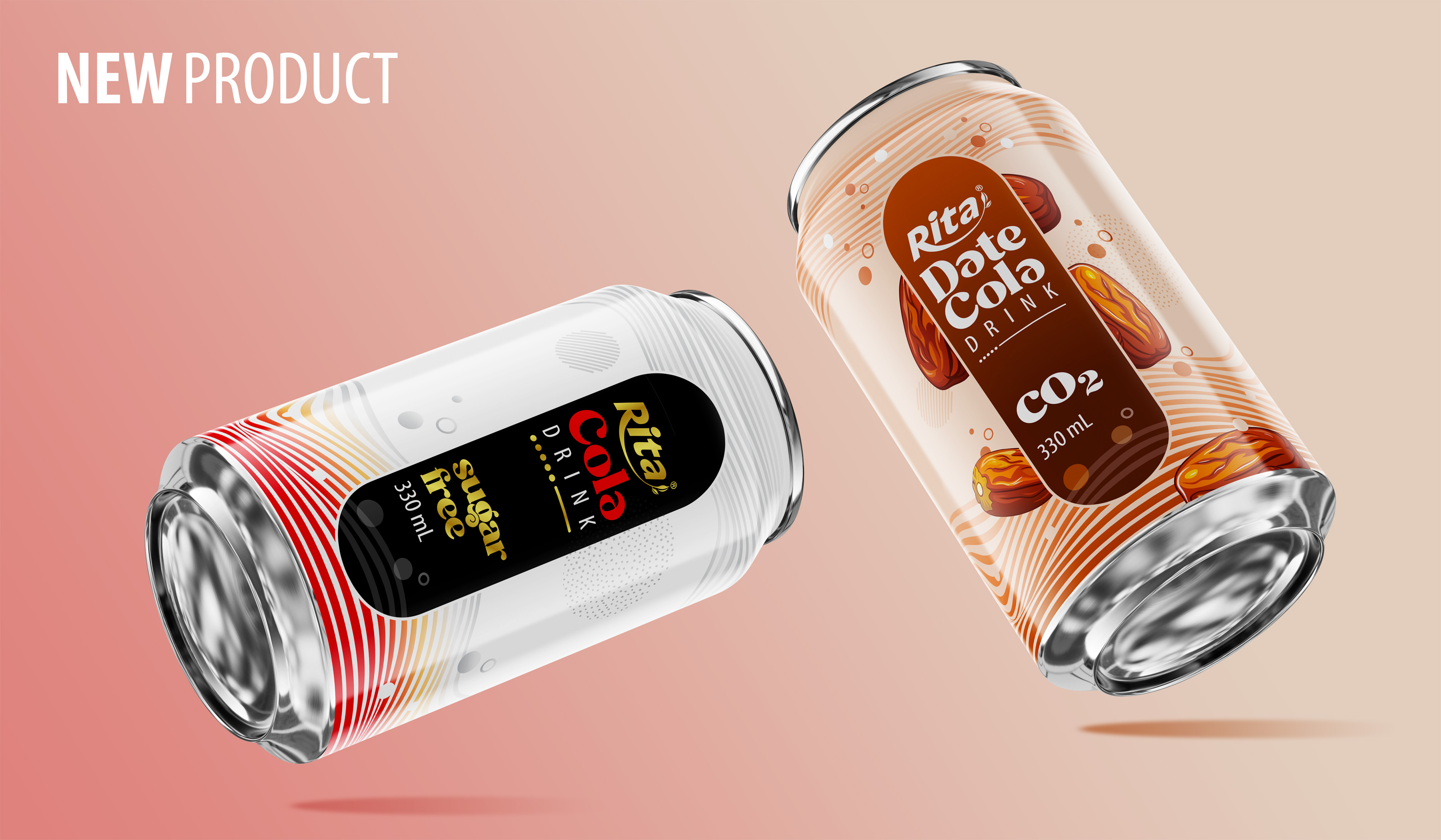
Conclusion
The sugar-free cola drink market, particularly in the 330ml can format, represents a significant growth opportunity for global beverage importers and distributors. Driven by consumer demand for reduced-sugar options, regulatory trends, and the convenience of single-serve packaging, this segment is poised for continued expansion. By leveraging OEM and ODM partnerships with experienced manufacturers like RITA, businesses can bring high-quality products to market efficiently and cost-effectively. For those ready to explore this opportunity, the key lies in selecting a partner with proven production capacity, flexible MOQ, and a commitment to quality standards.
Frequently Asked Questions
Secondary Keywords: sugar free cola drink carbonated 330ml cans, OEM beverage manufacturing, private label cola drink, carbonated soft drink import, beverage distributor Vietnam, sugar free soda wholesale, 330ml can supplier