The beverage industry is witnessing a remarkable convergence of consumer preferences and environmental responsibility. In particular, the ginseng energy drink segment is gaining momentum as brands combine recognizable botanical ingredients with sustainable packaging solutions. One standout example is the Strong Power Energy Drink With Ginseng 500ml, a product that captures both the demand for energy-focused refreshment and the global movement toward eco-friendly can production.

Key Takeaways
- Sustainable packaging is becoming a decisive factor for energy drink brands.
- Ginseng-flavored beverages are increasingly popular across international markets.
- Aluminum cans offer a highly recyclable and lightweight format for RTD beverages.
- Vietnamese OEM manufacturers are scaling up to meet global demand with certified quality.
- Private label solutions allow brands to launch innovative energy drinks quickly and efficiently.
The Global Shift Toward Sustainable Beverage Packaging
Consumers around the world are paying closer attention to the environmental impact of the products they purchase. For the beverage sector, packaging is one of the most visible areas where sustainability matters. From reducing plastic waste to embracing infinitely recyclable materials, companies are rethinking their containers with a strategic eye.

Aluminum cans, in particular, have stood out as a preferred format for many drink categories. They are lightweight, preserve product quality, and can be recycled repeatedly without loss of integrity. This aligns perfectly with the growing ginseng energy drink movement, where brands want to communicate both product innovation and environmental stewardship.
Consumer Demand for Eco-Friendly Cans
Surveys of beverage purchasers consistently show that sustainability claims affect buying decisions. When a product is packaged in a recyclable aluminum can, it sends a signal that the manufacturer values resource efficiency. For energy drinks, which are often consumed on the go, the portability and recyclability of cans make them an ideal choice for urban lifestyles.
The preference for sustainable packaging is no longer limited to niche demographic groups. Importers and distributors across the Americas, Europe, and Asia-Pacific are actively seeking suppliers that can provide environmentally sound formats. This shift is influencing how energy drink brands design their product lines and communicate with retail partners.
Aluminum as a Circular Material
The aluminum can is often cited as a model for the circular economy. It can be melted down and reformed into new cans indefinitely, reducing the need for virgin materials. This is especially important for international brands that are setting ambitious sustainability targets. By using a 500ml aluminum can, products like the Strong Power Energy Drink With Ginseng 500ml demonstrate how large-format energy drinks can still be environmentally considerate.
Aluminum recycling infrastructure is mature in many markets, which means the collection and processing of beverage cans is already part of municipal waste systems. This circularity reduces the lifetime carbon footprint of the package and supports the broader goals of the beverage industry to cut greenhouse gas emissions.
To put the packaging advantage in perspective, consider the following comparison:
| Packaging Type | Recyclability | Weight | Typical Shelf Life |
| Aluminum Can | Highly recyclable | Lightweight | Up to 24 months |
| Plastic PET | Recyclable but limited | Lightweight | 6–12 months |
| Glass Bottle | Recyclable, but heavy | Heavy | Up to 12 months |
As the table shows, aluminum cans offer a standout balance of recyclability, weight, and shelf-life stability. This makes them an attractive option for manufacturers and brand owners who want to meet sustainability expectations without compromising on functionality.
Energy Drinks and the Search for Differentiating Ingredients
Beyond packaging, the energy drink category is driven by flavor and ingredient differentiation. With a crowded shelf, brands need products that stand out. Ginseng, an herb with a long history in traditional preparations, is increasingly being incorporated into modern RTD beverages as a recognizable and marketable botanical component.
The ginseng energy drink format is not just about an herbal note; it is about creating a distinct flavor profile that separates a product from standard taurine-based drinks. The Strong Power Energy Drink With Ginseng 500ml pairs ginseng with a bold, crisp formula, offering consumers an energy drink experience that feels different from conventional options.
Ginseng as a Rising Star in RTD Energy
Ginseng brings a subtle earthy character that can be balanced with citrus or berry notes. This versatility allows beverage developers to craft recipes that appeal to regional tastes. RITA’s R&D team has been exploring such combinations for its energy drinks series, which includes a variety of formats and can sizes.
The ingredient itself also carries a sense of premium positioning. Many consumers recognize ginseng as a botanical that has been used for centuries in traditional wellness contexts. Although the beverage industry must be careful not to overstate health claims, the simple presence of a known botanical name can provide a psychological cue of authenticity and craft.
Market Trends: From Niche to Mainstream
The popularity of herbal-infused energy drinks is expanding across markets as diverse as North America, Europe, the Middle East, and Southeast Asia. Consumers are increasingly reading labels and seeking recognizable ingredients. Because ginseng is a familiar botanical name, it can reassure buyers who are looking for a more naturally positioned energy option—while still delivering the crisp, refreshing taste they expect from a high-quality energy drink.
Several industry observers note that energy drink consumption patterns are shifting toward larger cans and more moderate sugar levels. The 500ml format strikes a balance between performance and refreshment, making it appropriate for long workdays, sports activities, and late-night study sessions. This format also allows brands to differentiate themselves on store shelves.
Vietnam’s Role in the Global Beverage Supply Chain
Vietnam has become a major hub for beverage manufacturing and export. The country’s combination of abundant agricultural resources, modern production facilities, and strategic geographic location makes it an attractive partner for international brands. When it comes to energy drinks, Vietnamese OEM and ODM providers are enabling global companies to bring new products to market efficiently.
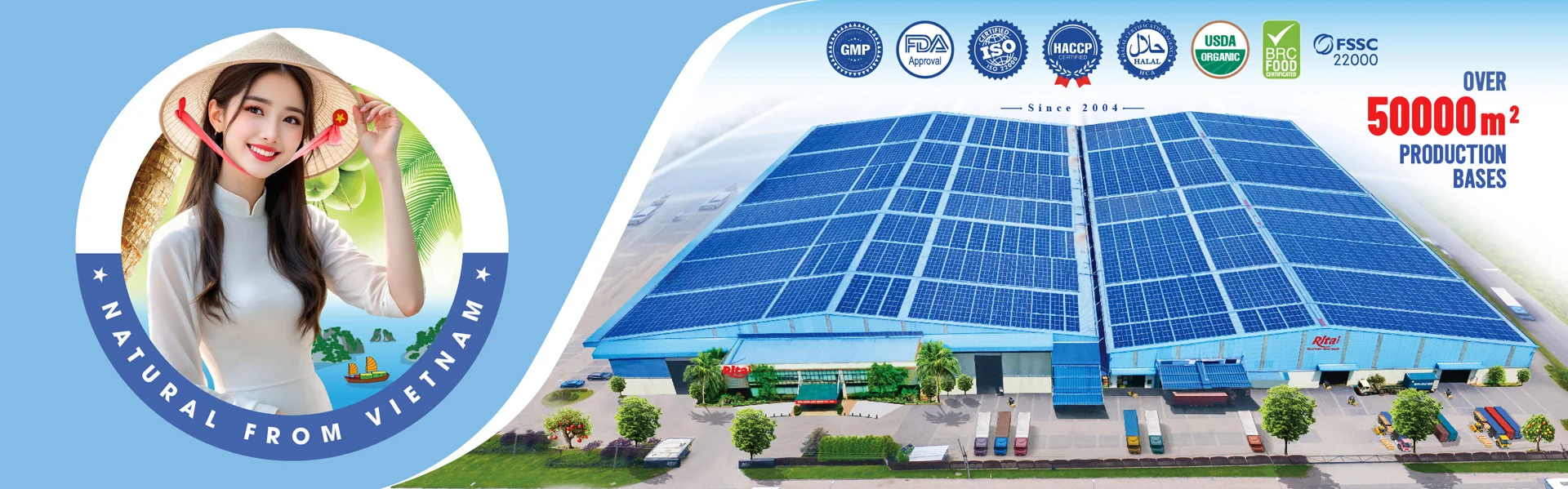
RITA Food & Drink Co., Ltd. is a prime example of this capability. Established in 2004, the company has grown into a leading manufacturer with over 50 automated production lines and monthly exports exceeding 1,200 containers. Through its OEM service, RITA supports brands that want to create custom energy drinks without investing in their own factories.
RITA’s Manufacturing and Export Capabilities
With certifications including BRC, FSSC 22000, Halal Jakim, Halal HCA-GCC, Kosher, ISO, GMP, HACCP, and SMETA, RITA meets the rigorous quality standards required for international distribution. The company’s export network spans more than 180 countries and territories across the Americas, Europe, Asia, the Middle East, Africa, and Oceania.
For a product like the Strong Power Energy Drink With Ginseng 500ml, these credentials provide reassurance to importers and distributors. They also open doors to retail chains that demand supplier compliance with global food safety norms. The 24-month shelf life, made possible by the aluminum can format, further strengthens the product’s logistics appeal for overseas shipping.
Sustainability in Production and Sourcing
Sustainability is not limited to packaging. It also involves responsible sourcing of ingredients and efficient manufacturing processes. RITA works closely with cooperative farms and leverages its supply chain expertise to maintain consistent quality. While the focus of the Strong Power Energy Drink With Ginseng is on the ginseng ingredient and the convenience of a 500ml can, the company’s broader practices contribute to a lower environmental footprint per unit.
Key sustainability-related practices along RITA’s production chain include:
- Optimized use of water and energy in manufacturing processes.
- Strict quality control to reduce product waste and rejection rates.
- Efficient logistics planning to lower carbon emissions in export shipping.
- Investment in modern equipment that improves material yield.
For brands entering the energy drink market, partnering with a manufacturer that prioritizes both quality and sustainability can be a competitive advantage. The Strong Power Energy Drink With Ginseng 500ml is available for private label production, allowing companies to build their own brand story around this compelling combination.
The Consumer Perspective: What Drives Energy Drink Purchases?
Successful energy drinks need to appeal to the eye as well as the palate. The Strong Power Energy Drink With Ginseng 500ml uses a black background with white and yellow lettering and a red brand logo. The can also features an image of an athlete with a water-droplet effect, which visually communicates energy and refreshment.
Design elements play a major role in the energy drink category because consumers often choose on impulse. A bold, dynamic appearance signals that the product inside will deliver the experience they are seeking. The “0% ALCOOL” labeling and the “Health & Beauty” tagline on the can further speak to contemporary lifestyle considerations.
Taste is king in the beverage world. A ginseng energy drink must be refreshing, with a balanced sweet and herbal profile. The 500ml can size provides enough liquid for sustained consumption, whether at work, during travel, or after exercise. Its portability aligns with the fast-paced urban lifestyle.
Energy drink consumers are not a monolith. Some prioritize sweetness, others prefer a more bitter and tonic-like taste. The inclusion of ginseng can create a middle ground, offering an earthy baseline that pairs well with conventional energy-drink flavors like lemon, lime, and tropical fruits.
Brand Transparency and Sustainability Messaging
Modern consumers expect brands to be transparent about what is in the can and how the can is made. Clear labeling of ingredients, certifications, and packaging material claims helps earn trust. For private label brands, working with a manufacturer like RITA means they can access ready-to-market designs and sustainability credentials without the overhead of product development.
Retailers, too, are increasing their scrutiny of supplier practices. Grocery chains and convenience store operators often prefer beverages with recognized eco-certifications or clear recyclability symbols. The aluminum can, combined with responsible manufacturing, gives energy drink brands a straightforward story to present to buyers.
Future Outlook: Sustainability as a Competitive Advantage
Looking ahead, the integration of sustainability into product design will no longer be optional for beverage brands that want to compete globally. The ginseng energy drink segment, in particular, can benefit from combining an appealing botanical ingredient with packaging that meets consumer expectations.
As retailers expand their shelves with energy drinks in larger formats and with distinctive ingredients, manufacturers must be nimble. RITA’s ability to deliver private label solutions quickly and at scale positions its partners to capture these opportunities. The Strong Power Energy Drink With Ginseng 500ml represents a template for how brands can enter the market with a checkbox for sustainability already ticked.
Private Label Opportunities in the Energy Drink Market
For importers and distributors, launching a private label energy drink can be a straightforward process if the manufacturing partner is experienced. The Strong Power Energy Drink With Ginseng 500ml can be customized with a brand’s own artwork and market-specific labeling, while the underlying product and packaging remain proven.
The demand for private label energy drinks is rising in various regions, as supermarket chains and value retailers develop their own beverage portfolios. By offering a 500ml format with a premium look and a botanical ingredient, a private label brand can immediately stand out in the cold cabinet.
Meeting Regulatory and Market Standards
Energy drinks destined for international markets must comply with various food safety regulations. RITA’s certifications cover a broad range of requirements, including Halal for Islamic markets, Kosher for Jewish communities, BRC for European retail, and FSSC 22000 for global acceptance. This reduces the complexity for brands expanding across multiple continents.
Furthermore, RITA’s experience in exporting to more than 180 countries means the company understands documentation, labeling, and customs requirements for each destination. This logistical know-how is especially valuable in a category like energy drinks, where regulatory frameworks can differ significantly from one market to another.
Frequently Asked Questions
What is a ginseng energy drink?
A ginseng energy drink is an RTD beverage that includes ginseng extract or flavor as a defining ingredient. It is positioned for consumers seeking an energy drink with a recognizable botanical component.
Why are aluminum cans used for energy drinks?
Aluminum cans are lightweight, highly recyclable, and protect the product from light and air. This helps maintain flavor quality and extends shelf life, making them a practical choice for energy drinks.
Can I create my own brand with this product?
Yes, the Strong Power Energy Drink With Ginseng 500ml is available for private label (OEM/ODM) production, allowing you to customize the can design and launch your own energy drink brand.
Is Vietnam a reliable source for beverage manufacturing?
Vietnam has become a significant export hub for beverages, with manufacturers like RITA offering large-scale production, advanced R&D, and internationally recognized certifications.
What is the shelf life of this product?
The product is packaged in a 500ml aluminum can designed for a shelf life of 24 months.