The non-alcoholic beverage sector is undergoing a significant transformation. Driven by shifting consumer preferences, the demand for sophisticated, flavor-forward sparkling drinks is at an all-time high.
Within this dynamic space, exotic fruit flavors are moving from niche to mainstream, offering substantial opportunities for importers, distributors, and F&B businesses. A product like the sparkling mangosteen drink exemplifies how manufacturers are responding to these macro trends with offerings tailored for modern distribution channels.

This analysis delves into the key market forces, consumer behavior shifts, and strategic business considerations defining the current beverage industry. We explore how specific product attributes—from packaging to production flexibility—align with commercial objectives in retail, foodservice, and international trade.
Key Takeaways - The global sparkling beverage segment is expanding beyond traditional sodas, with tropical and exotic fruit flavors driving premiumization and growth.
- Flexible supply chain terms, including adaptable MOQ and OEM/ODM options, are critical for businesses scaling their beverage portfolios efficiently.
- Innovative packaging, such as the sleek aluminum can, meets dual demands for convenience and sustainability, enhancing shelf appeal in both retail and Horeca settings.
- Vietnam has emerged as a competitive sourcing hub for beverage exports, offering robust manufacturing capabilities and strategic logistics advantages.
- Understanding sparkling mangosteen drink market positioning helps businesses identify gaps in their offerings and capitalize on emerging flavor trends.
Decoding Consumer Trends: The Demand for Exotic and Premium Sparkling Options
Today's beverage consumer is increasingly adventurous and ingredient-conscious. While not seeking medicinal benefits, they are drawn to flavors perceived as authentic and derived from real fruit. The taste experience of mangosteen, often described as a complex blend of sweet and tangy notes, fits perfectly within this exploration trend.
This shift represents a move away from overly sugary, artificial offerings. It creates a white space in the market for products that deliver a unique sensory profile. For distributors, this means portfolios must evolve. Stocking a diverse range of flavors, including those from Southeast Asia like mangosteen, can attract a broader customer base and command higher margin potential.
Packaging as a Strategic Differentiator
The choice of a 320ml sleek aluminum can is a direct response to several market insights. This format resonates with on-the-go consumption, a key driver in the ready-to-drink category. Its modern aesthetic appeals to a younger demographic and aligns with contemporary branding in cafes, grab-and-go counters, and boutique retailers.
From a logistical and business standpoint, aluminum cans offer superior protection for the product's flavor profile, support a 24-month shelf life for extended distribution reach, and are highly recyclable. This addresses growing operational and environmental considerations within the supply chain.
Strategic Sourcing and the Rise of Vietnam in Beverage Export
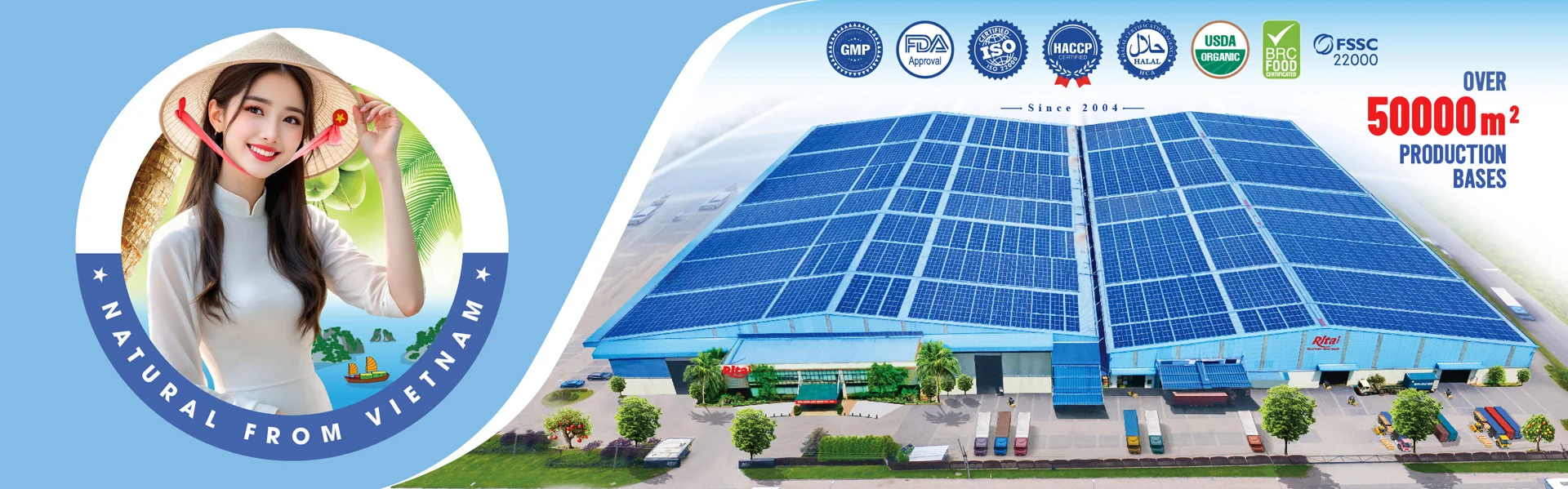
For global importers and wholesalers, geography of manufacture is a pivotal decision. Vietnam has solidified its position as a leading source for high-quality, cost-competitive beverage production. Factors contributing to this include advanced manufacturing infrastructure, abundant access to tropical fruit inputs, and favorable trade agreements.
A supplier's capability, indicated by a high monthly supply ability of hundreds of containers, provides security and scalability for large orders. Furthermore, clear commercial terms like L/C and T/T payments, coupled with a defined delivery timeline from a major port like Ho Chi Minh, reduce friction in international transactions. This operational reliability is paramount for OEM beverage manufacturing partnerships and private label development.
The Business Case: Flexibility and Application in Modern Channels
Success in today's competitive beverage market requires suppliers to offer more than just a product; they must provide adaptable business solutions. A flexible Minimum Order Quantity (MOQ) lowers the barrier to entry for smaller businesses, startups, and those looking to test a new product line without excessive inventory risk. This agility is a significant advantage.
Maximizing Horeca and Retail Potential
The application of a sparkling mangosteen drink extends across multiple channels. In the Hotel, Restaurant, and Cafe (Horeca) sector, it can be served as a premium non-alcoholic mixer, a standalone refreshment, or as part of curated beverage menus. Its distinct flavor offers a point of differentiation for establishments aiming to elevate their drink offerings.
In retail, the product competes in the broader sparkling water and juice drink aisle. Effective positioning emphasizes its unique flavor and premium packaging. For businesses building a comprehensive fruit juice products catalog, adding such a specialty sparkling option can enhance category depth and attract discerning shoppers.
Navigating Supply Chain and Partnership Models
The availability of both branded (RITA) and OEM/ODM options presents a strategic choice for buyers. Businesses with established brands can leverage ODM services to develop unique recipes, while those seeking to launch a private label quickly can benefit from an existing, market-tested formula. The provision of free samples is a standard yet crucial step in the B2B process, allowing for quality verification and taste testing before commitment.
Long shelf-life products mitigate supply chain complexities and reduce waste, contributing to better inventory management for distributors. When evaluating partners, assessing their commitment to consistent quality, compliance with international standards, and responsiveness is as important as the base FOB price.
Future Outlook: Positioning for Continued Growth
The trajectory for the sparkling beverage category remains positive. As global palates become more experimental, the pipeline for innovative flavors will continue to expand. For entrepreneurs and established companies alike, the key to capitalizing on this growth lies in strategic sourcing, understanding channel-specific dynamics, and offering products that align with evolving taste preferences.
Products that successfully blend an exotic flavor like mangosteen with convenient, contemporary packaging and flexible business terms are well-positioned to capture market share. They serve as a case study in how to translate consumer trends into viable, commercial successes for a network of business partners worldwide.
Frequently Asked Questions
What makes a sparkling mangosteen drink relevant to current beverage trends?
It aligns with the growing consumer desire for novel, tropical fruit flavors in the sparkling beverage category, moving beyond traditional citrus and berry profiles. The focus is on delivering a unique and enjoyable taste experience.
Why is flexible MOQ important for beverage distributors?
Flexible MOQ allows distributors, especially new entrants or those testing a new market segment, to manage inventory risk and cash flow more effectively. It enables them to order quantities that match their sales velocity and market demand.
How does sleek can packaging benefit a beverage product?
The sleek aluminum can format offers durability, superior portability, and excellent shelf appeal. It helps preserve the drink's carbonation and flavor while aligning with modern design aesthetics preferred in retail and Horeca environments.
What are the advantages of sourcing beverages from Vietnam?
Vietnam offers a strong combination of agricultural resources for fruit-based drinks, modern manufacturing facilities, competitive costs, and a strategic location in Southeast Asia with established export logistics through ports like Ho Chi Minh.
Can I develop my own brand using this product?
Yes, many manufacturers, including RITA, offer OEM and ODM services. This allows businesses to customize aspects like labeling, flavor profiles, and packaging design to create a unique private-label product for their target market.