The demand for high protein milk drinks has surged across the United States, driven by evolving consumer preferences for convenient, nutrient-dense beverages. As the functional beverage segment expands, importers, distributors, and F&B businesses are increasingly exploring new sourcing options to meet this growing appetite.
This article provides a comprehensive market analysis of the high protein milk drink category in the USA, examines key consumer trends, and highlights sourcing opportunities for industry stakeholders.
Key Takeaways
- The USA market for high protein milk drinks is projected to grow at a CAGR of over 7% through 2030, fueled by active lifestyles and on-the-go consumption.
- Chocolate-flavored high protein milk drinks represent a dominant subcategory, appealing to both fitness enthusiasts and mainstream consumers.
- Flexible MOQ and OEM/ODM capabilities from Vietnamese manufacturers like RITA offer competitive advantages for US importers.
- Aluminum can packaging (320ml) aligns with sustainability trends and convenience demands in the US beverage sector.
- Supply chain stability and large-scale production capacity are critical factors for US distributors when selecting partners.
Market Overview: High Protein Milk Drinks in the USA
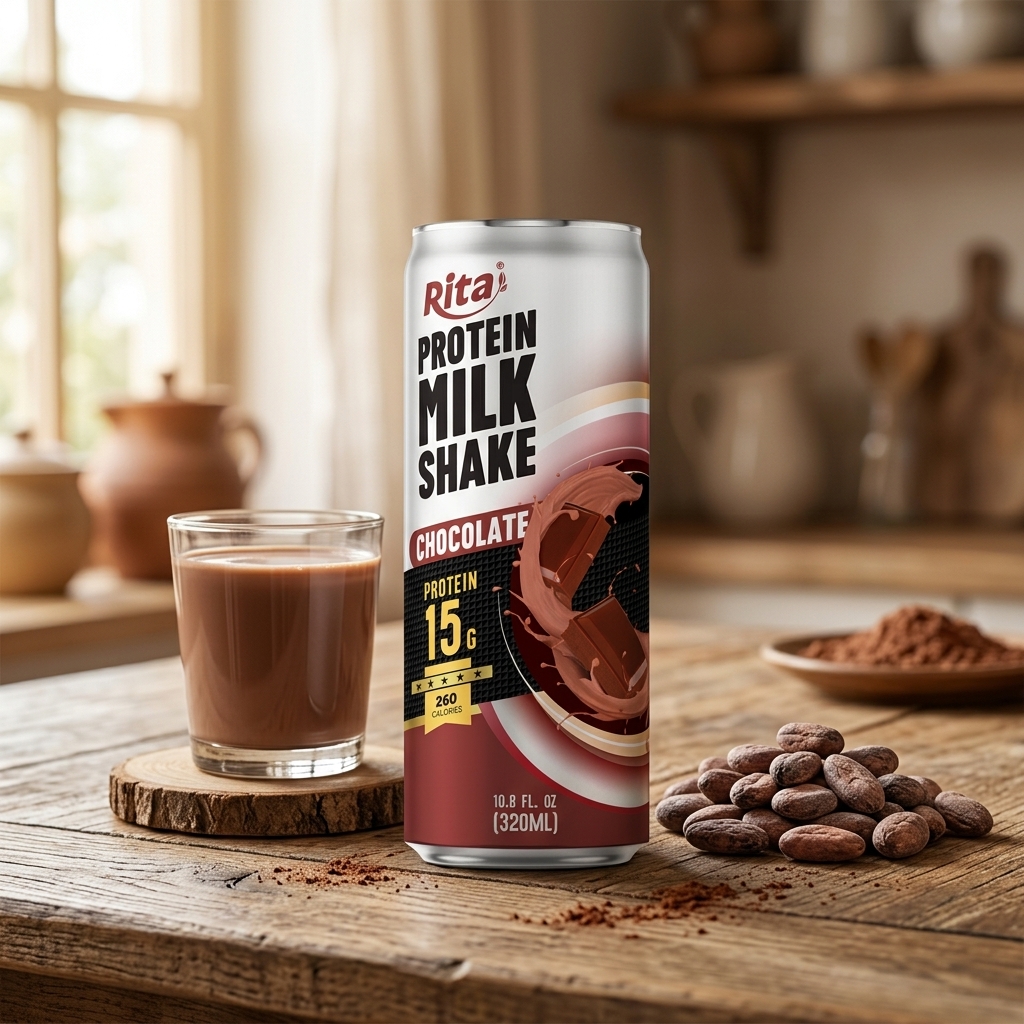 Market Overview: High Protein Milk Drinks in the USAImages are for illustrative purposes only
The United States remains one of the largest markets for protein-enriched beverages globally. According to recent industry reports, the high protein milk drink segment has experienced consistent growth, driven by increased awareness of protein intake among consumers. This trend is not limited to athletes; it now includes everyday consumers seeking satiety and energy in a portable format.
Chocolate-flavored variants hold a significant share of this market, often preferred for their taste profile and perceived indulgence. The category overlaps with both dairy and plant-based segments, but traditional dairy-based high protein milk drinks continue to dominate due to their complete amino acid profile and familiar taste.
Consumer Behavior and Preferences
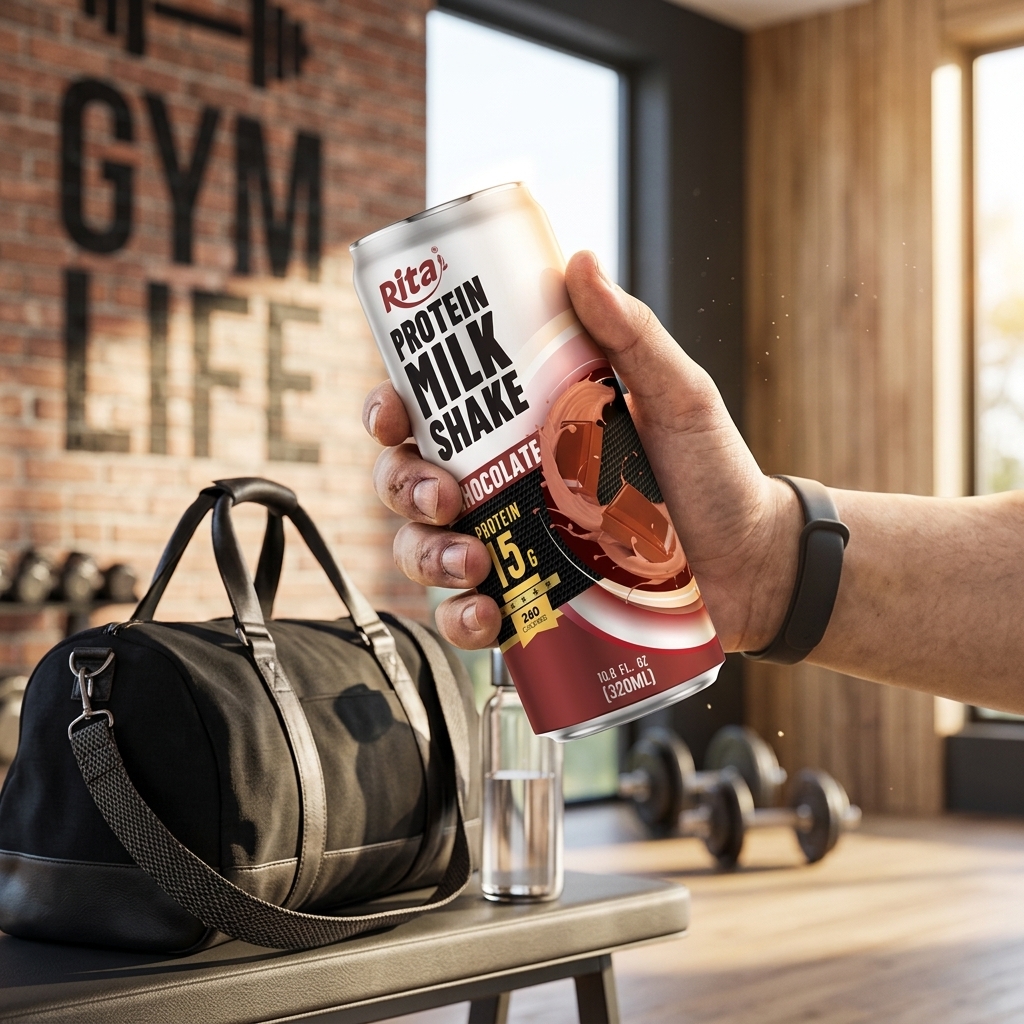 Consumer Behavior and PreferencesImages are for illustrative purposes only
US consumers prioritize convenience, taste, and clean ingredient labels. A 2023 survey by the International Food Information Council indicated that 45% of Americans actively seek protein-enriched foods and beverages. The ready-to-drink (RTD) format, particularly in aluminum cans, appeals to busy professionals, students, and gym-goers.
Flavor innovation remains a key driver. While chocolate is a perennial favorite, brands are experimenting with vanilla, strawberry, honey, and coffee flavors to capture diverse palates. For instance, a protein milkshake chocolate flavor rich cocoa high protein drink exemplifies how rich cocoa profiles can satisfy consumer cravings while delivering high protein content.
Why the USA Market Is Ripe for Imported High Protein Milk Drinks
The US beverage market is highly competitive but also offers substantial opportunities for importers who can differentiate through quality, pricing, and packaging. Domestic production faces challenges such as high raw material costs and capacity constraints, creating a gap for foreign suppliers.
Price Sensitivity and Sourcing Costs
US distributors are increasingly looking to Vietnam and other Southeast Asian countries for cost-effective manufacturing without compromising quality. The FOB price of Vietnamese high protein milk drinks is often more competitive than domestic US alternatives, allowing importers to maintain healthy margins.
Packaging and Shelf Life
Aluminum cans, particularly the 320ml size, are gaining traction in the US RTD market due to their recyclability and ability to preserve product freshness. A 24-month shelf life is a critical advantage for importers, enabling efficient inventory management and long transit times.
Product Profile: A Closer Look at Chocolate-Flavored High Protein Milk Drinks
Chocolate-flavored high protein milk drinks typically contain whey or milk protein concentrate, cocoa powder, and sweeteners. They are positioned as post-workout recovery drinks or meal replacement options. The texture and taste are paramount; a rich, creamy mouthfeel and authentic chocolate flavor can drive repeat purchases.
For businesses evaluating suppliers, the ability to customize sweetness, viscosity, and flavor intensity is a significant advantage. OEM/ODM services allow US brands to develop proprietary formulations tailored to local preferences. Manufacturers like RITA offer flexible MOQ and sample testing, reducing risk for new entrants.
Flavor Variants and Market Positioning
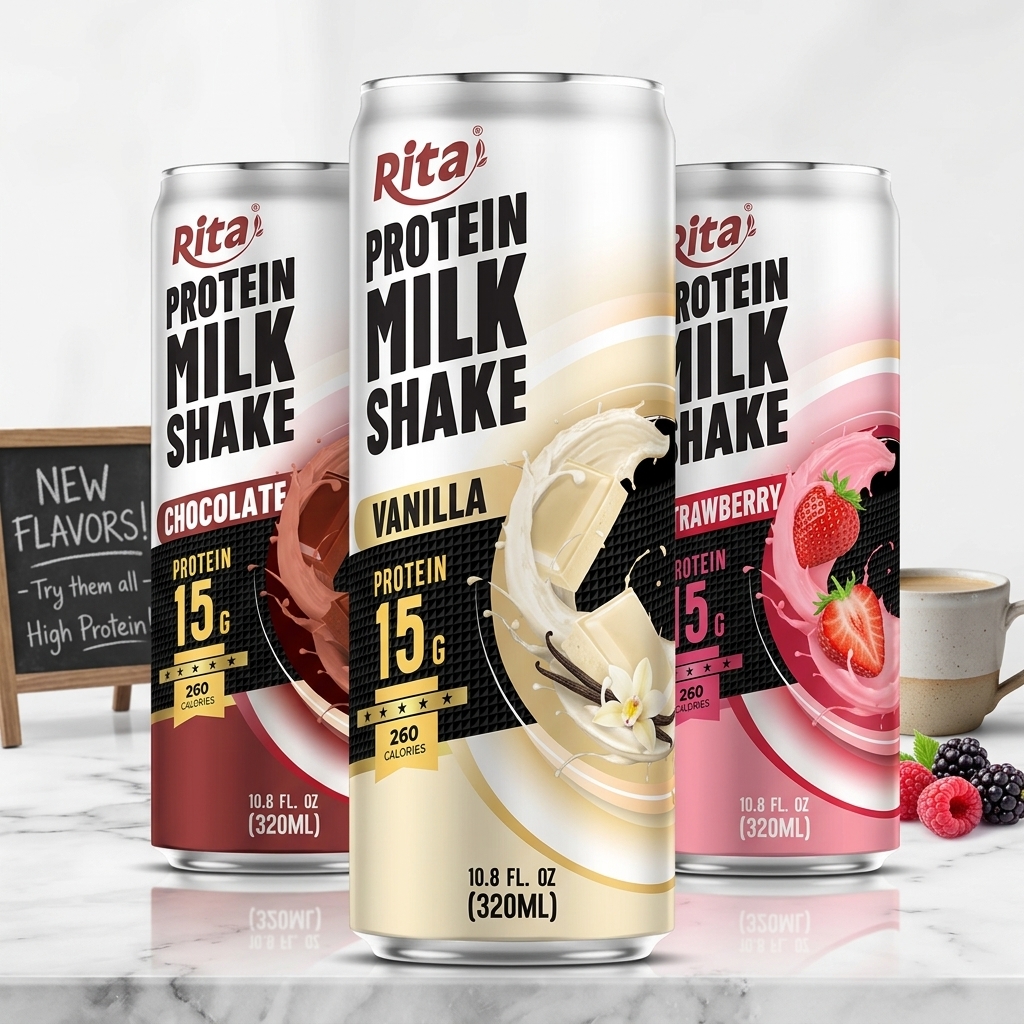 Flavor Variants and Market PositioningImages are for illustrative purposes only
Beyond chocolate, other flavors such as vanilla, strawberry, honey, and coffee are popular in the US market. A diversified product line can help distributors target different consumer segments. For example, coffee-flavored high protein milk drinks appeal to morning consumers, while honey variants attract those seeking natural sweetness.
Importers should consider offering a range of SKUs to maximize shelf presence and meet varied demand. The high protein milk drink category benefits from variety, as consumers often rotate between flavors.
Supply Chain and Sourcing Considerations for US Importers
When sourcing high protein milk drinks from Vietnam, US importers must evaluate production capacity, lead times, and quality certifications. Vietnam has emerged as a reliable beverage manufacturing hub, with companies like RITA producing over 50 modern lines and exporting to 200+ countries.
Production Capacity and Lead Times
A supply ability of 600 twenty-foot containers per month ensures scalability for large orders. Delivery times of 20–25 days after order confirmation are standard, allowing for efficient inventory planning. Ports like Ho Chi Minh Port facilitate direct shipping to major US hubs such as Los Angeles and New York.
Quality and Compliance
US importers must ensure that products comply with FDA regulations. Vietnamese manufacturers typically hold certifications such as ISO, HACCP, BRC, and FSSC 22000, which align with international food safety standards. Halal and Kosher certifications may also be required for certain market segments.
Opportunities for Distributors and Wholesalers
The high protein milk drink category offers several entry points for US distributors. Private labeling is a popular strategy, allowing businesses to build their own brand without investing in manufacturing infrastructure. OEM/ODM services from Vietnam provide end-to-end support, from formula development to packaging design.
Target Channels
- Grocery chains and supermarkets
- Health and fitness clubs
- Convenience stores
- Online retail platforms (Amazon, specialty e-commerce)
- Foodservice and coffee shops
Marketing and Branding
US consumers respond well to transparent labeling and clean ingredient lists. Highlighting the protein content per serving (e.g., 20g–30g) and the use of natural cocoa can differentiate products in a crowded market. Importers should also emphasize the convenience of RTD aluminum cans for on-the-go consumption.
Challenges and Mitigation Strategies
Despite the opportunities, US importers face challenges such as shipping costs, tariff fluctuations, and competition from domestic brands. To mitigate these risks, businesses should:
- Negotiate long-term contracts with suppliers to lock in pricing
- Diversify sourcing to include multiple regions
- Invest in marketing to build brand loyalty
- Monitor regulatory changes in both the US and Vietnam
Future Outlook: High Protein Milk Drinks in the USA
The trajectory for high protein milk drinks remains positive. As consumer awareness of protein benefits grows, demand will likely expand beyond traditional fitness audiences to include older adults and families. Innovations in flavor and packaging will continue to drive category growth.
For US importers and distributors, partnering with established Vietnamese manufacturers offers a strategic advantage. The combination of competitive pricing, large-scale production, and flexible customization makes this an attractive sourcing destination. The OEM beverage manufacturing model, in particular, enables brands to enter the market with minimal upfront investment.
Frequently Asked Questions
What is the shelf life of high protein milk drinks in aluminum cans?
Most high protein milk drinks packaged in aluminum cans have a shelf life of up to 24 months when stored properly, ensuring long-term inventory management for distributors.
What are the typical MOQ requirements for importing high protein milk drinks from Vietnam?
Flexible MOQ options are available from Vietnamese manufacturers like RITA, allowing importers to start with smaller trial orders before scaling up.
Which flavors of high protein milk drinks are most popular in the USA?
Chocolate, vanilla, strawberry, honey, and coffee are the top-selling flavors in the US high protein milk drink market, with chocolate leading in sales.
What certifications should US importers look for when sourcing from Vietnam?
Key certifications include ISO, HACCP, BRC, FSSC 22000, and Halal or Kosher if targeting specific consumer segments. These ensure compliance with international food safety standards.
How long does delivery take from Vietnam to the USA?
Delivery time is typically 20–25 days after order confirmation, with shipping via Ho Chi Minh Port to major US ports.